Soya Lecithin
Soya Lecithin is a natural emulsifier derived from soybeans, widely used in food and pharmaceutical applications for its ability to enhance texture and stability.
Chemical Properties
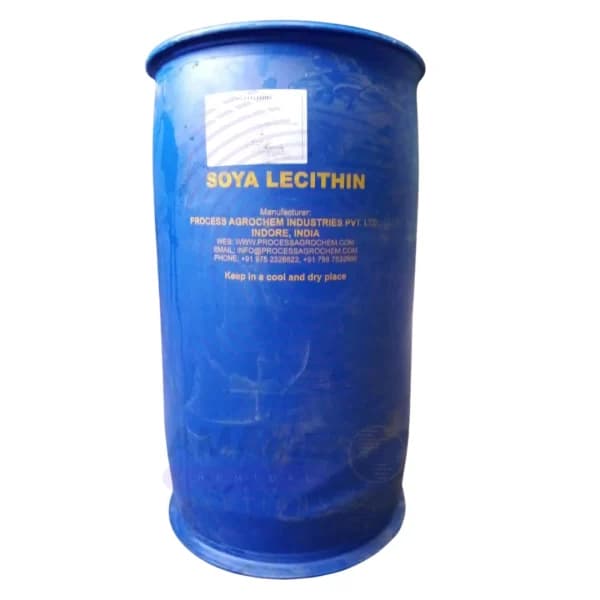
Soya Lecithin
Manufactured by: PROCESS AGROCHEM INDUSTRIES PVT. LTD.
Soya Lecithin is a natural emulsifier derived from soybeans, widely used in food and pharmaceutical applications for its ability to enhance texture and stability.
Product Introduction
Soya Lecithin is a versatile and natural emulsifier extracted from soybeans, playing a critical role in the food and pharmaceutical industries. Known for its ability to improve texture and stability, Soya Lecithin is essential in products such as baked goods, chocolates, sauces, and dietary supplements. In East Africa, where food quality and safety are paramount, sourcing high-quality Soya Lecithin from Kivi Chemicals ensures compliance with food-grade standards. This product is favored by manufacturers for its functionality and cost-effectiveness, making it a staple in various formulations.
Detailed Product Overview
Soya Lecithin, identified by the chemical formula C42H80N2O8P and CAS number 8002-43-5, is a natural emulsifier derived from soybeans. It primarily consists of phospholipids, particularly phosphatidylcholine, which is present at approximately 30-35%. This component is crucial for its emulsification properties, allowing it to stabilize mixtures of oil and water. The product appears as a light yellow to brown viscous liquid, with a density of 0.9 to 1.0 g/cm³. It is soluble in oils but insoluble in water, making it particularly effective in oil-based formulations where it helps maintain consistency and texture. In industrial applications, Soya Lecithin is predominantly used in the food sector, particularly in baked goods, chocolates, sauces, and dietary supplements. Its ability to act as an emulsifier enhances the texture and stability of these products, preventing separation and improving shelf life. In chocolates, for instance, it reduces viscosity, enhancing the flow properties and ensuring a smooth mouthfeel. In sauces, it helps maintain a uniform mixture, preventing separation of oil and water phases. Additionally, in baked goods, Soya Lecithin improves dough machinability and extends product freshness, making it a versatile additive in food manufacturing processes. When procuring Soya Lecithin, it is essential to verify its compliance with food-grade standards, ensuring it is suitable for consumption. The product should meet the specifications of a maximum acid value of 30 mg KOH/g and a peroxide value not exceeding 10 meq/kg. Its moisture content should be below 0.5% to guarantee stability and effectiveness. The appearance should be a light yellow to brown viscous liquid, indicating its quality and suitability for use. Buyers should also confirm the phosphatidylcholine content, as it is a critical component for emulsification. Ensuring these specifications are met is crucial for maintaining product integrity in final applications. Handling and storage of Soya Lecithin require careful consideration to preserve its quality. It should be stored in a cool, dry place, away from direct sunlight and moisture, to maintain its shelf life of up to 12 months. The product is typically supplied in 25 kg polypropylene bags, which offer protection from external contaminants and ease of handling in industrial environments. It is important to ensure the packaging is intact upon arrival to prevent contamination. Kivi Industrial Chemicals Limited provides a reliable supply chain for Soya Lecithin across the East African market, ensuring timely delivery and adherence to quality standards, making it a dependable choice for food industry professionals.
Applications & Uses
Baked Goods
Soya Lecithin is widely used in baked goods to improve texture and extend shelf life. It helps in emulsifying fats and oils, ensuring a uniform distribution that enhances the overall quality of products such as bread, cakes, and pastries.
Chocolates
In the chocolate industry, Soya Lecithin acts as a key emulsifier, reducing viscosity and ensuring a smooth, glossy finish. This not only improves mouthfeel but also aids in the manufacturing process by allowing for easier handling and processing.
Sauces
Soya Lecithin is essential in sauces for its emulsifying properties, helping to blend oil and water-based ingredients seamlessly. This results in consistent texture and flavor, making it a favorite among food manufacturers.
Dietary Supplements
In dietary supplements, Soya Lecithin serves as a carrier for nutrients, enhancing their bioavailability. Its emulsifying properties ensure that fat-soluble vitamins and other active ingredients are effectively incorporated into formulations.
Industries Served
Benefits & Advantages
Soya Lecithin offers numerous benefits for East African manufacturers, particularly in the food and beverage sector. Its natural emulsifying properties allow for improved texture and stability of products, which is critical in maintaining quality during storage and transport. By using Soya Lecithin, companies can enhance the shelf life of their products, reducing waste and improving profitability. Additionally, Soya Lecithin is cost-effective, making it an attractive option for manufacturers looking to optimize their formulations without compromising on quality. Kivi Chemicals supplies high-quality Soya Lecithin that meets food-grade standards, ensuring compliance with local regulations and consumer safety. This product not only meets the functional needs of manufacturers but also aligns with the growing consumer demand for natural ingredients in food products.
Packaging & Bulk Supply
Kivi Chemicals provides Soya Lecithin in 25 kg polypropylene bags, suitable for both small and large-scale operations. This packaging ensures the product remains protected from moisture and contaminants, maintaining its quality during storage and transport. Bulk supply options are available for larger manufacturers seeking to streamline their procurement process.
Storage & Handling
To maintain the quality of Soya Lecithin, it should be stored in a cool, dry place away from direct sunlight. The ideal storage temperature is between 15°C to 25°C. Ensure that containers are tightly sealed to prevent moisture ingress, which could affect the product's properties. When handling Soya Lecithin, it is advisable to use appropriate personal protective equipment (PPE), including gloves and safety glasses, to minimize exposure. Avoid prolonged skin contact and inhalation of dust or vapors. Regularly check the product for any signs of spoilage or degradation, and adhere to the shelf life recommendations provided by Kivi Chemicals.
External References & Further Reading
Technical Specifications
| Density | 0.9-1.0 g/cm³ |
| Viscosity | N/A |
| Acid Value | Max 30 mg KOH/g |
| Appearance | Light yellow to brown viscous liquid |
| Shelf Life | 12 months under proper storage conditions |
| Solubility | Soluble in oil, insoluble in water |
| Flash Point | N/A |
| Boiling Point | N/A |
| Melting Point | N/A |
| Peroxide Value | Max 10 meq/kg |
| Moisture Content | Max 0.5% |
| Phosphatidylcholine Content | Approximately 30-35% |
Safety & Handling Guidelines
Not classified as hazardous under GHS.
Soya Lecithin is not classified as hazardous under GHS, making it safe for use in food applications. However, standard safety precautions should be observed when handling the product. Use gloves and safety goggles to protect against potential skin and eye irritation. In case of accidental exposure, rinse affected areas thoroughly with water. If ingested or inhaled in large quantities, seek medical attention. Always refer to the material safety data sheet (MSDS) for comprehensive safety and handling information.
Regulatory Compliance & Standards
Ready to order Soya Lecithin?
Our supply desk responds with pricing and lead times, usually within one business day.
Frequently Asked Questions
What is Soya Lecithin used for?
Soya Lecithin is primarily used as an emulsifier in food products, enhancing texture and stability in items like baked goods, chocolates, and sauces.
Is Soya Lecithin safe for consumption?
Yes, Soya Lecithin is recognized as safe for consumption and is compliant with food-grade standards.
How should Soya Lecithin be stored?
Store Soya Lecithin in a cool, dry place away from direct sunlight, ensuring containers are tightly sealed.
What are the benefits of using Soya Lecithin in food products?
It improves texture, extends shelf life, and aids in the uniform distribution of ingredients in food formulations.
Can Soya Lecithin be used in dietary supplements?
Yes, it is commonly used in dietary supplements to enhance the bioavailability of fat-soluble vitamins.
What is the origin of Soya Lecithin?
Soya Lecithin is derived from soybeans and is extracted during the processing of soybean oil.
What is the typical appearance of Soya Lecithin?
Soya Lecithin typically appears as a light yellow to brown viscous liquid.
Related Formulations
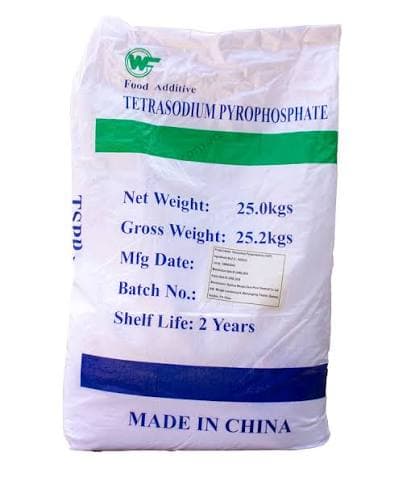
Tetrasodium Pyrophosphate ( TSPP )
Tetrasodium Pyrophosphate is a food additive commonly used as an emulsifier and thickening agent. It comes in a 25 kg package, ideal for various food processing applications.
WhatsApp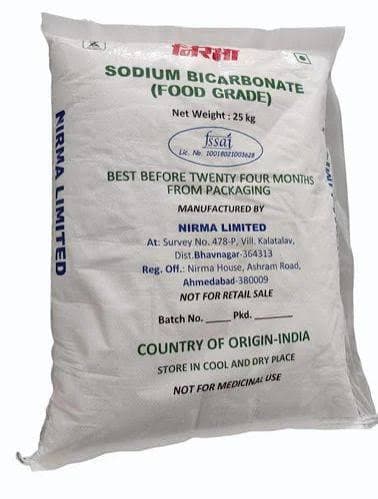
Sodium Bicarbonate
Sodium Bicarbonate, also known as baking soda, is a versatile food-grade chemical used in various applications including baking, pH regulation, and as a leavening agent.
WhatsApp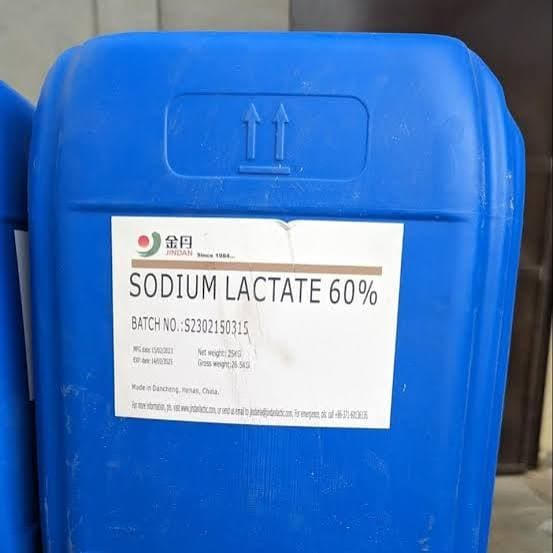
Sodium Lactate 60%
Sodium Lactate 60% is a versatile compound used primarily in food and beverage applications. It is available in a 250 kg net weight packaging, ensuring ample supply for various industrial needs.
WhatsApp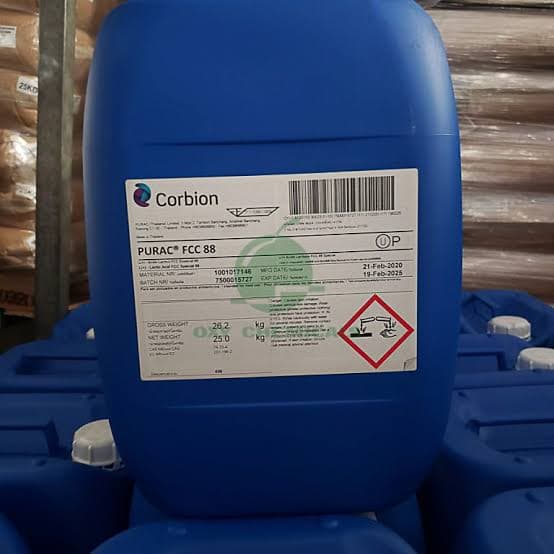
PURAC® FCC 88 Lactic Acid 81% (Excel grade)
PURAC® FCC 88 is a food-grade lactic acid product from Corbion, ideal for various applications in the food industry.
WhatsApp
Lactic Acid 80% Feed Grade
YUKATA Lactic Acid 80% Feed Grade is a high-purity organic acid suitable for various industrial applications, particularly in animal feed formulations.
WhatsApp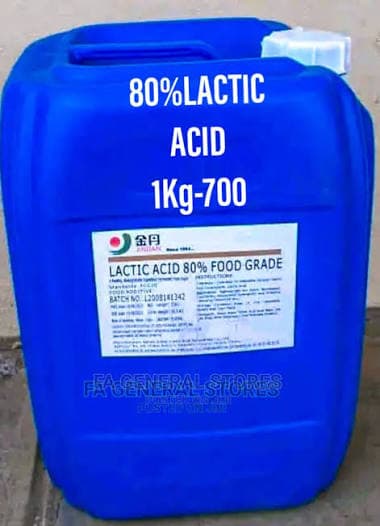
Lactic Acid 80% Food Grade
Lactic Acid 80% Food Grade is a versatile ingredient used in food processing and preservation. It is recognized for its safety and efficacy in various applications.
WhatsApp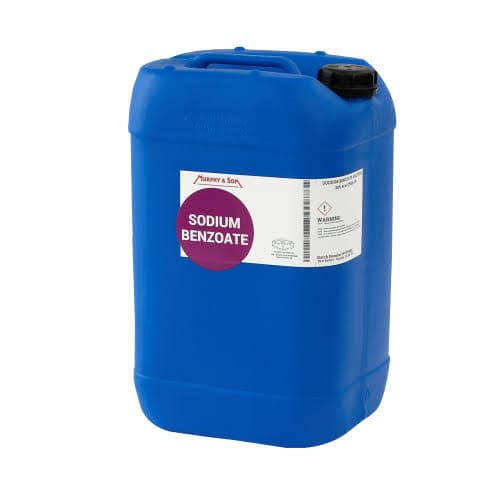
Sodium Benzoate (moodle)
Sodium Benzoate is a widely used preservative in food and beverage industries. Known for its antimicrobial properties, it helps extend shelf life and maintain product quality.
WhatsApp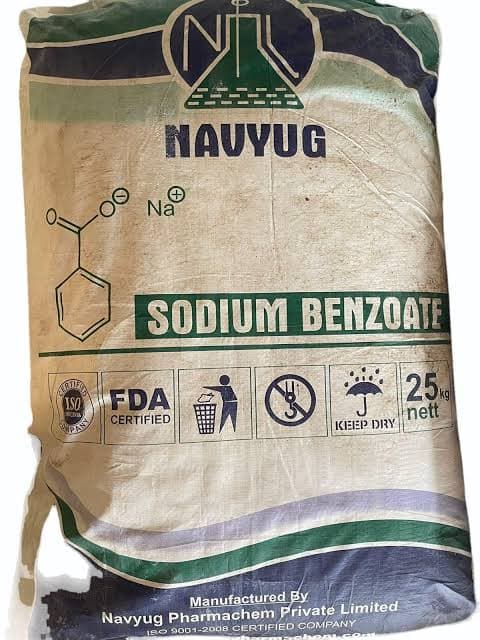
Sodium Benzoate(granule)
Sodium Benzoate is a widely used preservative in the food and beverage industry, helping to inhibit the growth of mold, yeast, and bacteria. It is supplied by Kivi Chemicals in convenient packaging for various applications.
WhatsApp