Acetone
Acetone is a colorless liquid widely used as a solvent in various industrial applications. It is known for its efficacy in cleaning and degreasing processes.
Chemical Properties
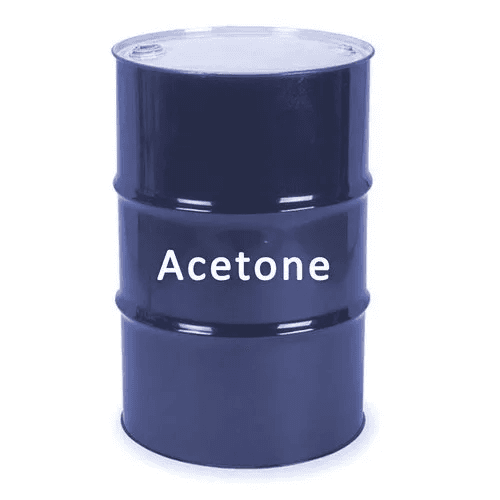
Acetone
Brand: Kivi Chemicals·Manufactured by: Kivi Chemicals
Acetone is a colorless liquid widely used as a solvent in various industrial applications. It is known for its efficacy in cleaning and degreasing processes.
Product Introduction
Acetone, a highly versatile solvent, is extensively utilized across multiple industries for its effectiveness in cleaning and degreasing. As a key product from Kivi Chemicals, it plays a vital role in sectors such as manufacturing, automotive, and cosmetics. Its rapid evaporation rate and excellent solvent properties make it ideal for removing paints, coatings, and other contaminants. In East Africa, where industrial growth is on the rise, acetone's applications are critical for ensuring cleanliness and efficiency in production processes. Kivi Chemicals is committed to providing high-quality acetone that meets stringent regulatory standards, ensuring safety and reliability for buyers in Kenya, Uganda, Tanzania, and the wider region.
Detailed Product Overview
Acetone, with the chemical formula C3H6O and CAS number 67-64-1, is a highly effective industrial solvent known for its excellent solvency properties and rapid evaporation rate. This colorless liquid is characterized by a sweet odor and is fully miscible with water, making it suitable for dissolving both polar and non-polar substances. With a molecular weight of 58.08 g/mol, acetone features a low boiling point of 56 °C, which facilitates processes that require quick drying and minimal residue. Its industrial-grade purity of 99.5% ensures that it meets stringent quality standards, making it a reliable choice for various applications demanding high solvency and fast evaporation characteristics. In industrial settings, acetone is predominantly used as a solvent for paints, coatings, and resins. Its ability to reduce viscosity and enhance the uniformity of application makes it invaluable in these processes. Furthermore, acetone is a preferred cleaning and degreasing agent, particularly in manufacturing sectors such as automotive and electronics, where thorough cleaning without water residue is crucial. Its miscibility with water enhances its effectiveness in removing contaminants from surfaces, ensuring optimal cleanliness. In the cosmetics industry, acetone's role in formulations like nail polish removers highlights its versatility, as it effectively dissolves oils and greases, contributing to the production of high-quality personal care products. When procuring acetone, it is essential to verify the product's specifications to ensure compatibility with specific process requirements. Buyers should confirm that the acetone's purity is at least 99.5%, as this is critical for maintaining the integrity of industrial applications. Checking the pH range of 6.5 to 7.5 ensures neutrality, which is important for processes involving sensitive materials. Additionally, verifying the density of 0.784 g/cm³ and the characteristic sweet odor can help confirm the product's quality. Ensuring that the flash point and boiling point align with specifications is crucial for safe handling and effective use, particularly in environments with rigorous regulatory standards. Handling and storage of acetone require careful attention due to its flammability and relatively low flash point. It should be stored in a cool, well-ventilated area away from sources of ignition. Acetone is supplied in 25 kg polypropylene drums, which offer durability and protection during transportation and storage. It is important for procurement officers to ensure that the packaging is intact upon arrival to maintain product quality and safety. Given the industrial context of East Africa, it is advisable to consider local storage conditions and transportation logistics to optimize the supply chain and ensure the safe and efficient use of acetone in various industrial applications.
Applications & Uses
Solvent for Paints
Acetone is widely used as a solvent for various paints and coatings, facilitating smooth application and quick drying. Its ability to dissolve a range of substances makes it ideal for thinning paint and cleaning application equipment.
Cleaning Agent
In industrial settings, acetone serves as a powerful cleaning agent for removing grease, oils, and residues from machinery and surfaces. Its effectiveness in breaking down contaminants enhances productivity and ensures a clean working environment.
Degreasing Agent
Acetone is often employed as a degreasing agent in automotive and manufacturing industries. It effectively removes oils and contaminants from metal surfaces, preparing them for further processing or finishing.
Cosmetic Ingredient
In the cosmetic industry, acetone is used in nail polish removers and other beauty products. Its ability to dissolve various compounds allows for effective removal of nail polish and other cosmetic residues.
Industries Served
Benefits & Advantages
Acetone offers numerous advantages for industrial buyers in East Africa. Its high purity and effective solvent properties ensure optimal performance across various applications, leading to improved operational efficiency. The rapid evaporation rate of acetone enables quick drying times, which is particularly beneficial in manufacturing and cleaning processes. Moreover, its versatility makes it suitable for a wide range of industries, from automotive to cosmetics. By sourcing acetone from Kivi Chemicals, buyers can trust in the quality and compliance of the product, ensuring a safe working environment. Additionally, acetone's cost-effectiveness as a cleaning and degreasing agent contributes to overall savings in operational costs, making it a preferred choice for businesses aiming to enhance productivity while maintaining high standards of cleanliness.
Packaging & Bulk Supply
Kivi Chemicals supplies acetone in 25 kg polypropylene drums, ensuring safe and efficient handling for industrial applications. This packaging format is designed for ease of transport and storage, catering to the needs of various buyers across East Africa. Bulk supply options are available for larger orders, making it convenient for businesses that require significant quantities of acetone for their operations.
Storage & Handling
Acetone should be stored in a cool, well-ventilated area away from sources of ignition, as it is highly flammable. Containers should be tightly sealed when not in use to prevent evaporation and contamination. It is essential to keep acetone away from oxidizing agents and strong acids, as these can lead to hazardous reactions. When handling acetone, appropriate personal protective equipment (PPE) such as gloves and goggles should be worn to minimize exposure. Regular inspections of storage areas should be conducted to ensure compliance with safety regulations and to prevent leaks or spills.
External References & Further Reading
Technical Specifications
| pH | 6.5 - 7.5 |
| Odor | Characteristic sweet smell |
| Density | 0.784 g/cm³ |
| Viscosity | 0.32 mPa·s |
| Appearance | Colorless liquid |
| Flash Point | -20 °C (closed cup) |
| Boiling Point | 56 °C |
| Melting Point | -95 °C |
| Vapor Density | 2.0 (Air = 1) |
| Evaporation Rate | Fast |
| Molecular Weight | 58.08 g/mol |
| Refractive Index | 1.36 |
| Solubility in Water | Miscible |
| Autoignition Temperature | 465 °C |
Safety & Handling Guidelines
GHS Category 2 – Flammable (H225); Signal word: Danger.
Acetone is classified as a GHS Category 2 flammable substance, requiring caution during handling and storage. The signal word for acetone is 'Danger.' It is essential for personnel handling acetone to wear suitable PPE, including gloves and safety goggles, to protect against skin and eye contact. In case of skin exposure, wash the affected area with soap and water. If acetone is ingested or inhaled in significant amounts, seek medical attention immediately. Additionally, acetone should be kept away from heat sources and open flames to prevent fire hazards.
Regulatory Compliance & Standards
Ready to order Acetone?
Our supply desk responds with pricing and lead times, usually within one business day.
Frequently Asked Questions
What is acetone used for?
Acetone is commonly used as a solvent for paints, a cleaning agent, a degreasing agent, and an ingredient in cosmetics.
Is acetone safe to use?
While acetone is effective, it is flammable and should be handled with care. Proper PPE should be worn during use.
How should acetone be stored?
Acetone should be stored in a cool, well-ventilated area away from heat sources and tightly sealed to prevent evaporation.
Can acetone be used in food processing?
Acetone is not suitable for food processing applications and should not come into contact with food.
What are the environmental impacts of acetone?
Acetone can contribute to air pollution if not handled properly; it should be disposed of according to local regulations.
What should I do if I spill acetone?
In case of a spill, evacuate the area, eliminate ignition sources, and use appropriate absorbent materials to clean up.
Related Formulations
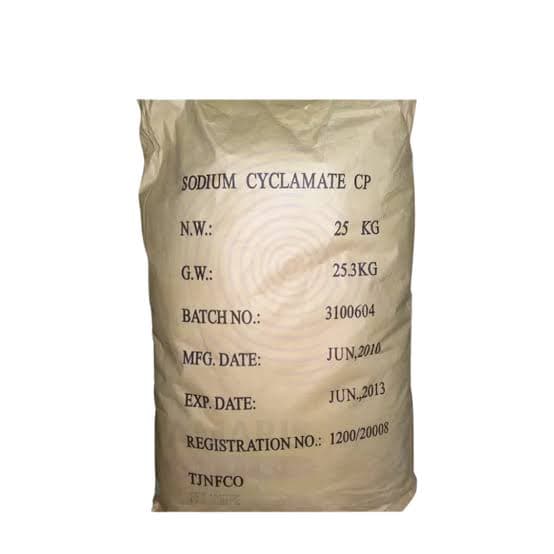
Sodium Cyclamate CP
Sodium Cyclamate CP is a widely used artificial sweetener supplied by Kivi Chemicals. It is packaged in 25 kg units, ideal for food and beverage applications.
WhatsApp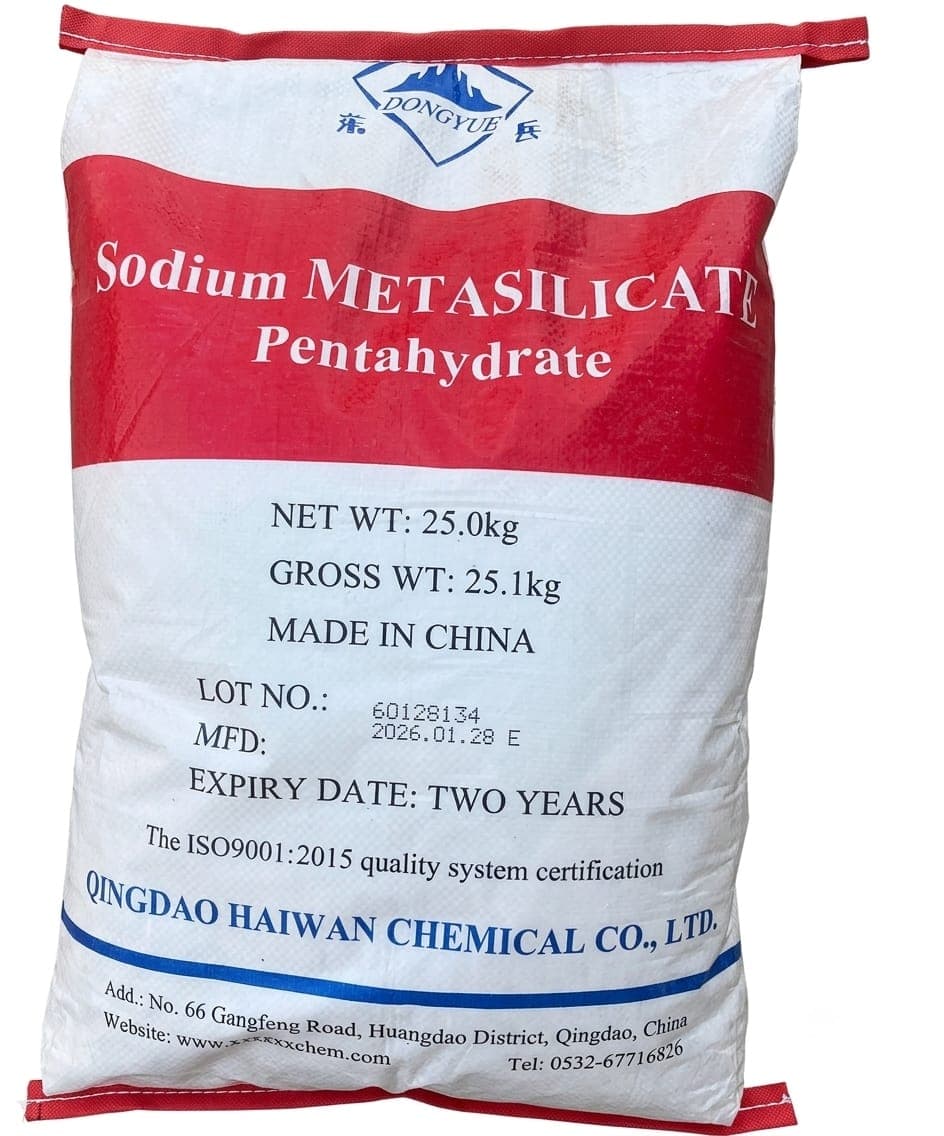
Sodium METASILICATE Pentahydrate
Sodium METASILICATE Pentahydrate is a versatile chemical compound used in various industrial applications, known for its effectiveness as a cleaning agent and emulsifier.
WhatsApp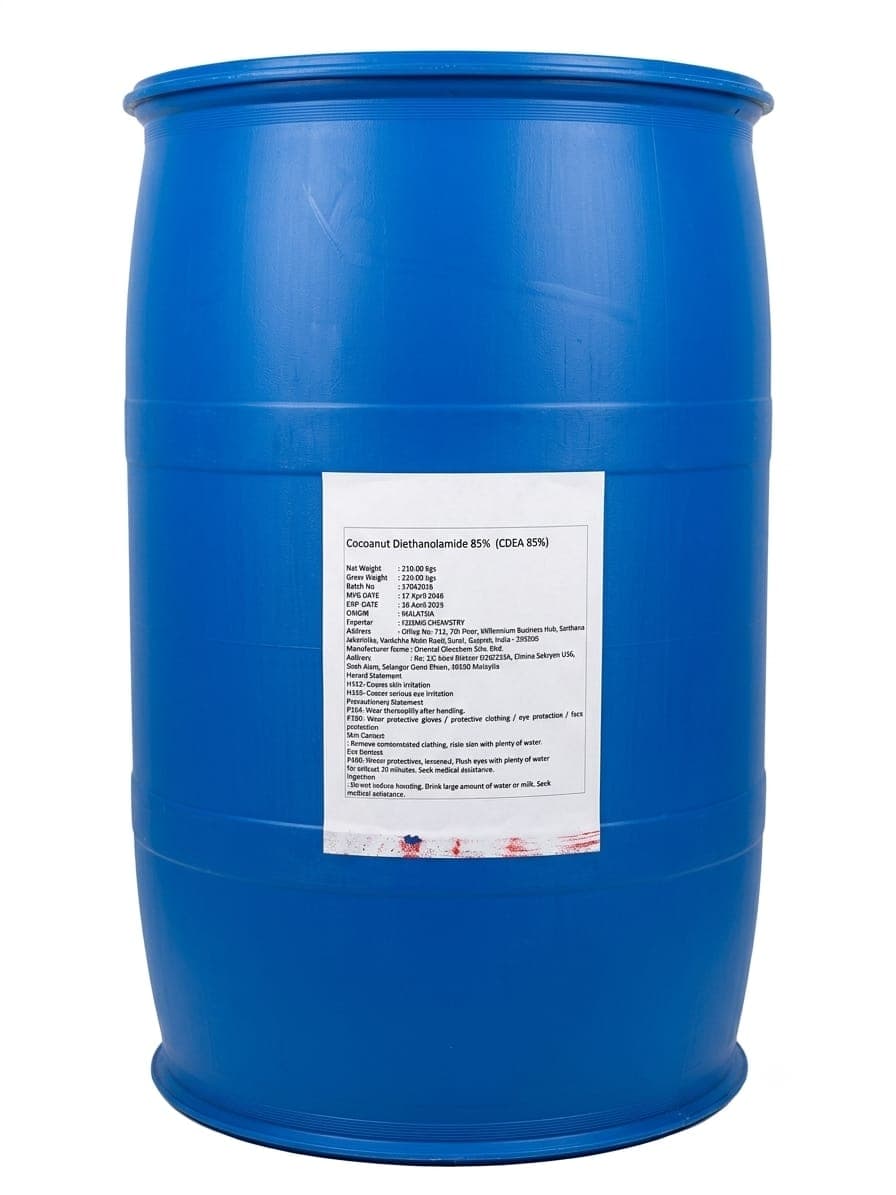
Cocoanut Diethanolamide 85% (CDEA 85%)
Cocoanut Diethanolamide 85% (CDEA 85%) is a versatile surfactant used in various formulations, especially in personal care and industrial cleaning products.
WhatsApp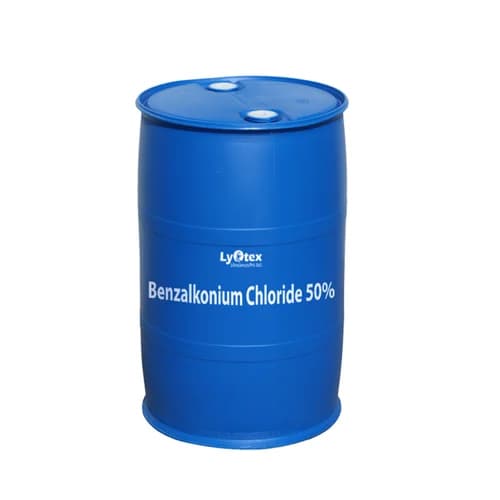
Benzalkonium Chloride 50%
Benzalkonium Chloride 50% by Lyotex is a versatile antimicrobial agent used in various pharmaceutical and cosmetic applications. Its effectiveness in killing bacteria and viruses makes it essential for sanitization products.
WhatsApp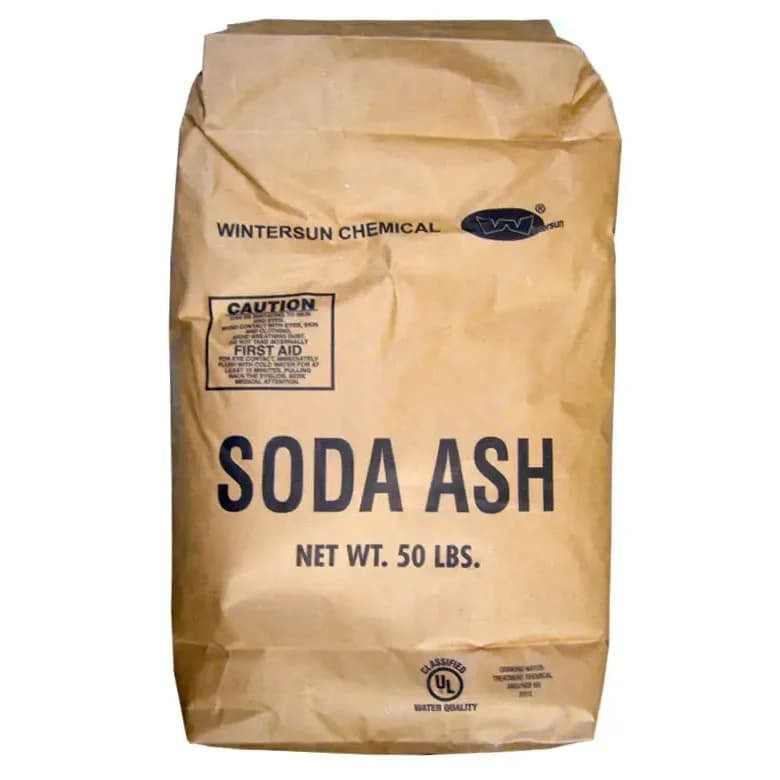
Soda Ash
Soda Ash, manufactured by Wintersun Chemical, is a versatile chemical used in various cleaning and disinfection applications. It is provided in 50 lbs packaging, ensuring easy handling for industrial use.
WhatsApp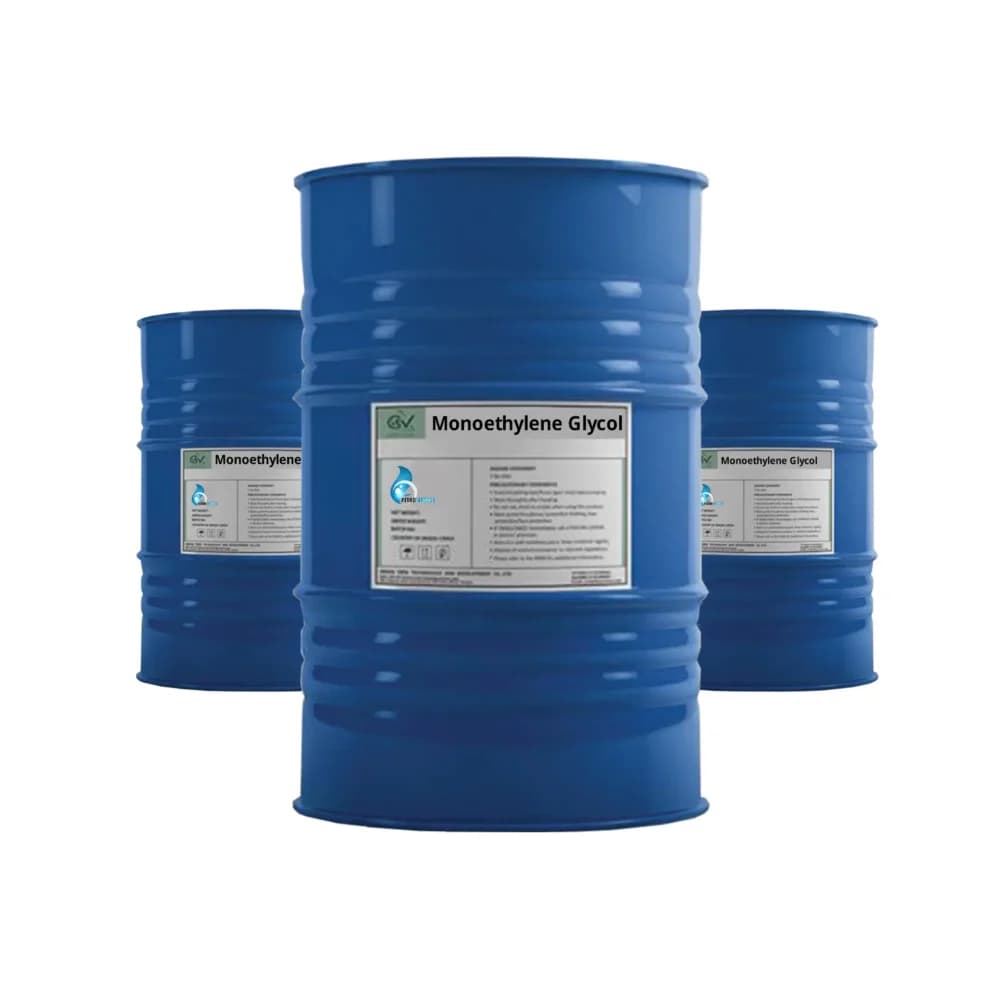
Monoethylene Glycol
Monoethylene Glycol is a colorless, odorless liquid widely used as an industrial coolant and antifreeze. It is essential for various applications in automotive and HVAC systems.
WhatsApp
LIQUOR AMMONIA
LIQUOR AMMONIA is a 25% ammonia solution commonly used for cleaning and disinfection. With a net weight of 50 liters, it provides an effective solution for various industrial applications.
WhatsApp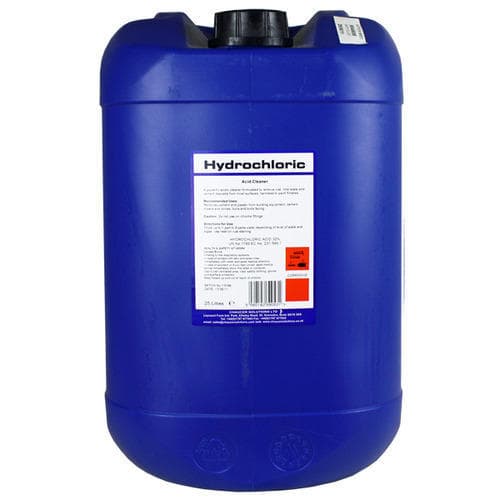
Hydrochloric
Hydrochloric is a powerful acid cleaner supplied in 25-litre containers. It's widely used for various cleaning applications in industrial settings.
WhatsApp