Monoethylene Glycol
Monoethylene Glycol is a colorless, odorless liquid widely used as an industrial coolant and antifreeze. It is essential for various applications in automotive and HVAC systems.
Chemical Properties
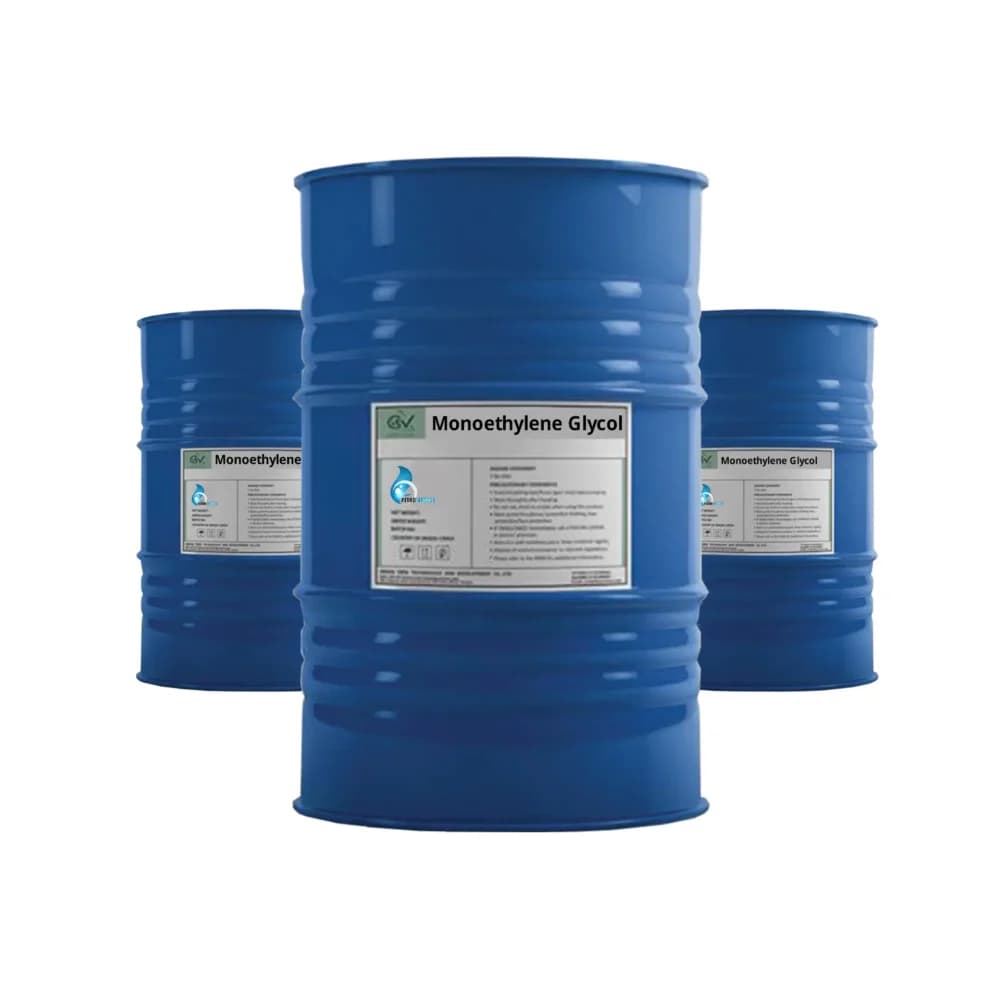
Monoethylene Glycol
Brand: GV
Monoethylene Glycol is a colorless, odorless liquid widely used as an industrial coolant and antifreeze. It is essential for various applications in automotive and HVAC systems.
Product Introduction
Monoethylene Glycol (MEG) is a vital chemical compound in many industrial applications, particularly in cleaning and disinfection processes. As a colorless and odorless liquid, it serves as a key ingredient in various formulations, enhancing the effectiveness of cleaning agents. In East Africa, industries such as automotive, manufacturing, and HVAC rely on its excellent properties for cooling and as a solvent. Kivi Chemicals supplies high-quality Monoethylene Glycol, ensuring that businesses in Kenya, Uganda, and Tanzania have access to this essential chemical for their operations.
Detailed Product Overview
Monoethylene Glycol (MEG), with the chemical formula C2H6O2 and CAS number 107-21-1, is a versatile industrial chemical characterized by its colorless and odorless liquid form. It is primarily recognized for its role in the formulation of antifreeze and coolant solutions due to its excellent thermal properties, including a high boiling point of 197.6 °C and a low freezing point of -12.9 °C. Its miscibility with water and stable chemical nature allow it to function effectively across a broad temperature range, making it invaluable in various industrial processes. MEG's molecular weight of 62.07 g/mol and its ability to maintain a stable pH between 6.0 and 8.0 further enhance its adaptability in diverse applications. Monoethylene Glycol is integral to numerous industrial applications. In the automotive industry, it is a critical component in the production of coolants and antifreeze, ensuring efficient thermal regulation in vehicle engines. Its use extends to industrial cooling systems and HVAC systems, where it helps maintain optimal operating temperatures and prevents corrosion. Additionally, MEG plays a significant role in the production of polyester fibers and resins, serving as a precursor in polymerization processes. Its inclusion in cleaning and disinfection solutions, particularly for food processing equipment, highlights its utility in maintaining hygiene standards, given its compatibility with water and its effective solvent properties. Kivi Industrial Chemicals Limited offers Monoethylene Glycol in an industrial grade, tailored to meet the rigorous demands of various applications. Buyers should verify the product's compliance with specified parameters such as density (1.114 g/cm³), viscosity (20.1 mPa.s at 25 °C), and refractive index (1.431) to ensure suitability for their processes. The industrial grade provided is standard, supporting a wide range of uses without compromising on quality. It is crucial for procurement officers and production chemists to assess these specifications upon delivery to confirm the product's integrity and consistency with their operational requirements. For handling and storage, Monoethylene Glycol should be managed with care due to its classification under UN3082. It is supplied in 200 kg drums, ensuring ease of transport and storage. The product should be stored in a cool, well-ventilated area away from direct sunlight and incompatible materials. Safety protocols should be observed when handling MEG, including the use of appropriate personal protective equipment to prevent exposure. Kivi Industrial Chemicals Limited ensures that all packaging meets industry standards, facilitating safe and efficient distribution throughout the East African region. As always, consult the accompanying MSDS for detailed safety and handling instructions.
Applications & Uses
Automotive Coolants
Monoethylene Glycol is widely used in automotive coolants due to its ability to lower the freezing point and raise the boiling point of the coolant mixture. This property ensures optimal engine temperature regulation, preventing overheating and freezing in extreme weather conditions.
Industrial Cooling Systems
In industrial settings, MEG is employed in cooling systems to maintain optimal temperatures in machinery and equipment. Its efficient heat transfer properties help in managing the thermal load, enhancing operational efficiency and equipment longevity.
HVAC Systems
Monoethylene Glycol is utilized in HVAC systems as a heat transfer fluid. Its low viscosity and excellent thermal conductivity make it ideal for ensuring efficient heat exchange, contributing to energy savings and improved system performance.
Polyester Production
MEG is a critical raw material in the production of polyester fibers and resins. Its role in polymerization processes helps create high-quality polyester products used in textiles and packaging, showcasing its importance in the manufacturing sector.
Cleaning and Disinfection Solutions
Due to its solvent properties, Monoethylene Glycol is incorporated into cleaning and disinfection formulations. It enhances the solubility of active ingredients, improving the overall cleaning efficacy and providing effective sanitation in various environments.
Food Processing Equipment Cleaning
In food processing, MEG is used in cleaning agents to ensure the sanitation of equipment. It complies with relevant health and safety standards, making it suitable for maintaining hygiene in food production facilities.
Industries Served
Benefits & Advantages
Monoethylene Glycol offers a range of benefits for East African industries. Its effectiveness as an antifreeze and coolant helps prevent equipment failures and enhances the efficiency of industrial processes. Kivi Chemicals provides MEG in bulk quantities, allowing for cost-effective procurement for large-scale operations. The ability to integrate MEG into cleaning formulations improves the efficacy of cleaning agents, ensuring thorough sanitation in various applications, from automotive to food processing. Additionally, its excellent thermal properties make it a reliable choice for HVAC systems, contributing to energy savings and improved operational performance.
Packaging & Bulk Supply
Kivi Chemicals supplies Monoethylene Glycol in convenient packaging options to meet the needs of various industries. Available in 200 kg drums, this format ensures easy handling and storage for bulk applications. Buyers sourcing from Kivi Chemicals can expect reliable delivery across Kenya and the East African region, ensuring a steady supply of this essential chemical.
Storage & Handling
Monoethylene Glycol should be stored in a cool, dry place, away from direct sunlight and incompatible materials. It is important to keep containers tightly closed when not in use to prevent contamination. Ensure that all safety data sheets (SDS) are reviewed prior to handling. Personal protective equipment (PPE) such as gloves and safety goggles should be worn to minimize exposure. In the event of a spill, follow standard emergency protocols to contain and clean up the area safely.
External References & Further Reading
Technical Specifications
| pH | 6.0 - 8.0 |
| Density | 1.114 g/cm³ |
| Viscosity | 20.1 mPa.s at 25 °C |
| Appearance | Colorless, odorless liquid |
| Solubility | Miscible with water |
| Flash Point | 111 °C |
| Boiling Point | 197.6 °C |
| Heat Capacity | 2.43 kJ/kg·K |
| Freezing Point | -12.9 °C |
| Molecular Weight | 62.07 g/mol |
| Refractive Index | 1.431 |
| Thermal Conductivity | 0.429 W/m·K |
Safety & Handling Guidelines
Not classified as hazardous under GHS
Monoethylene Glycol is not classified as hazardous under GHS, but proper handling precautions should still be observed. Avoid ingestion and prolonged skin contact. In case of exposure, wash affected areas with soap and water. If ingested, seek medical attention immediately. Ensure proper ventilation when using MEG in enclosed spaces to avoid inhalation of vapors.
Regulatory Compliance & Standards
Ready to order Monoethylene Glycol?
Our supply desk responds with pricing and lead times, usually within one business day.
Frequently Asked Questions
What is Monoethylene Glycol used for?
Monoethylene Glycol is primarily used as an antifreeze and coolant in automotive and industrial applications, as well as in cleaning and disinfection formulations.
Is Monoethylene Glycol safe to use?
Monoethylene Glycol is not classified as hazardous under GHS, but safety precautions should be observed to minimize exposure.
How should Monoethylene Glycol be stored?
Store Monoethylene Glycol in a cool, dry place, away from direct sunlight and incompatible materials, keeping containers tightly closed.
Can Monoethylene Glycol be used in food processing?
Yes, Monoethylene Glycol can be used in cleaning agents for food processing equipment, adhering to relevant health and safety standards.
What are the packaging options for Monoethylene Glycol?
Kivi Chemicals supplies Monoethylene Glycol in 200 kg drums, suitable for bulk applications.
What industries commonly use Monoethylene Glycol?
Industries such as automotive, HVAC, manufacturing, and food processing commonly use Monoethylene Glycol for various applications.
What are the environmental impacts of Monoethylene Glycol?
Monoethylene Glycol should be handled responsibly to minimize environmental impact, as it can be harmful to aquatic life if released in large quantities.
Does Monoethylene Glycol have any regulatory standards?
Yes, Monoethylene Glycol meets industrial chemical standards and complies with WHO guidelines for cleaning agents.
Related Formulations
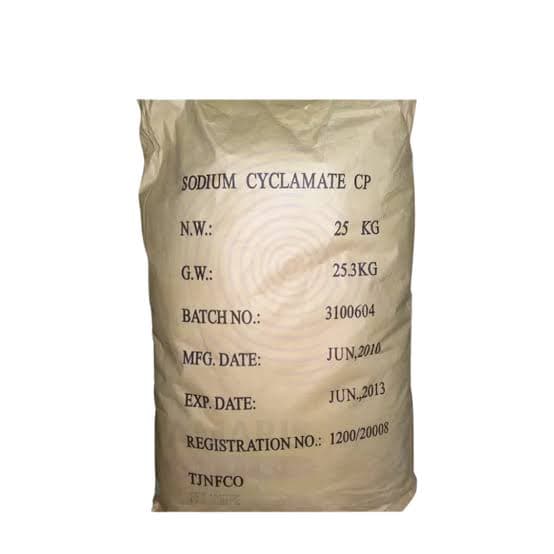
Sodium Cyclamate CP
Sodium Cyclamate CP is a widely used artificial sweetener supplied by Kivi Chemicals. It is packaged in 25 kg units, ideal for food and beverage applications.
WhatsApp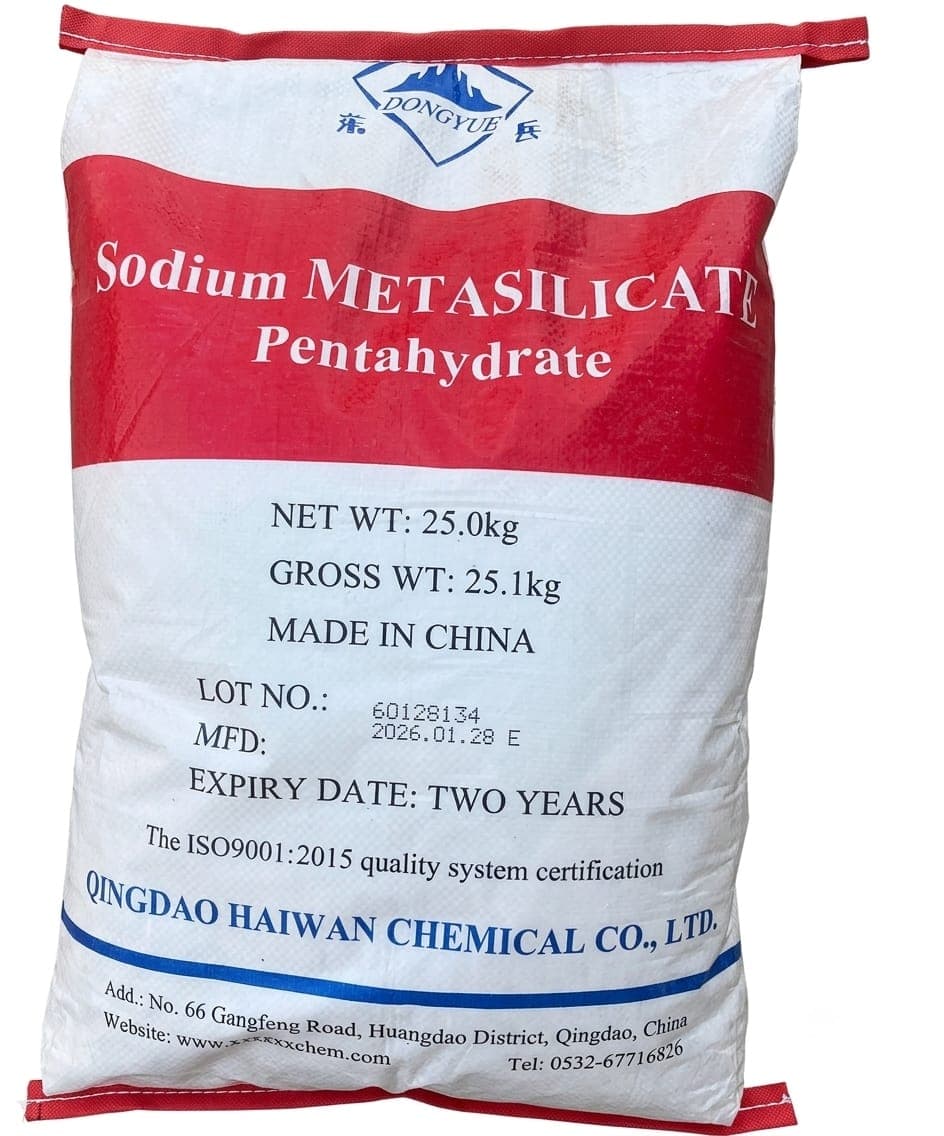
Sodium METASILICATE Pentahydrate
Sodium METASILICATE Pentahydrate is a versatile chemical compound used in various industrial applications, known for its effectiveness as a cleaning agent and emulsifier.
WhatsApp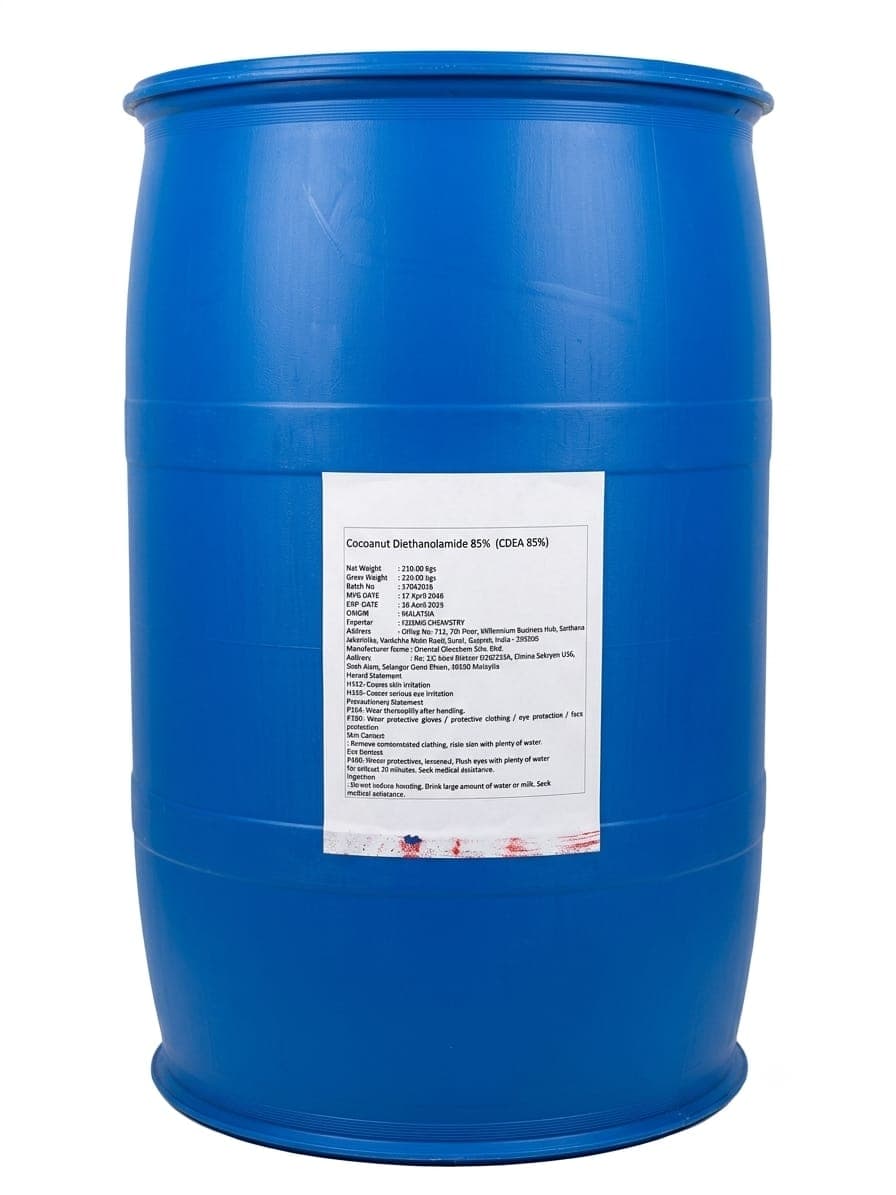
Cocoanut Diethanolamide 85% (CDEA 85%)
Cocoanut Diethanolamide 85% (CDEA 85%) is a versatile surfactant used in various formulations, especially in personal care and industrial cleaning products.
WhatsApp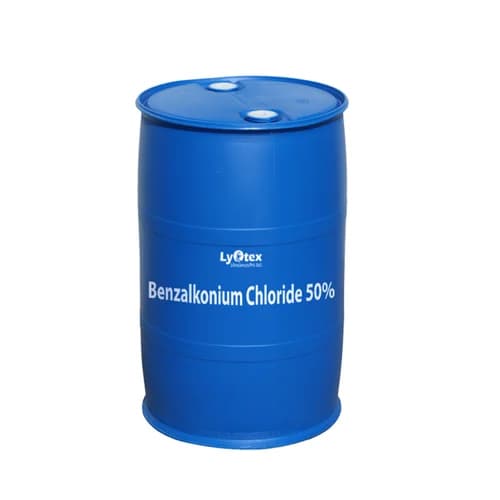
Benzalkonium Chloride 50%
Benzalkonium Chloride 50% by Lyotex is a versatile antimicrobial agent used in various pharmaceutical and cosmetic applications. Its effectiveness in killing bacteria and viruses makes it essential for sanitization products.
WhatsApp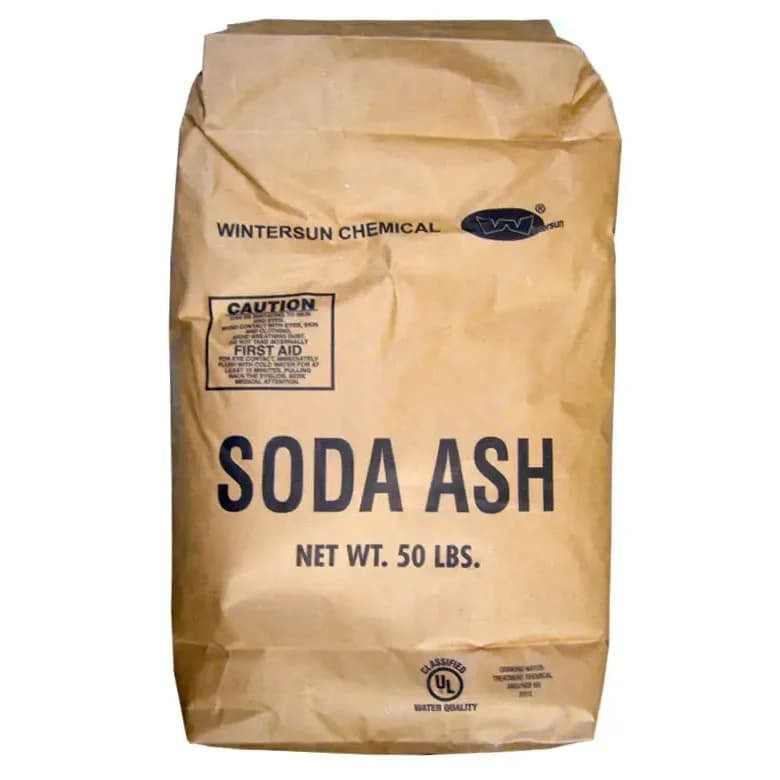
Soda Ash
Soda Ash, manufactured by Wintersun Chemical, is a versatile chemical used in various cleaning and disinfection applications. It is provided in 50 lbs packaging, ensuring easy handling for industrial use.
WhatsApp
LIQUOR AMMONIA
LIQUOR AMMONIA is a 25% ammonia solution commonly used for cleaning and disinfection. With a net weight of 50 liters, it provides an effective solution for various industrial applications.
WhatsApp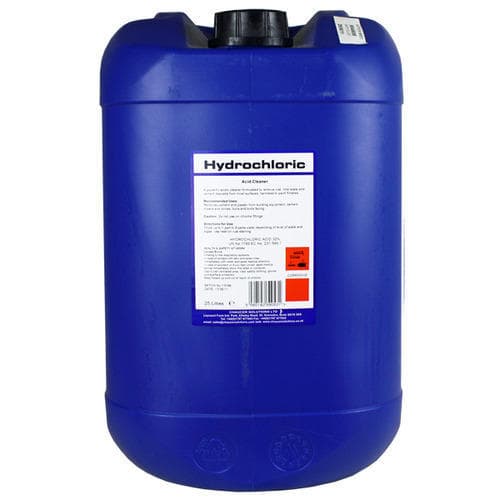
Hydrochloric
Hydrochloric is a powerful acid cleaner supplied in 25-litre containers. It's widely used for various cleaning applications in industrial settings.
WhatsApp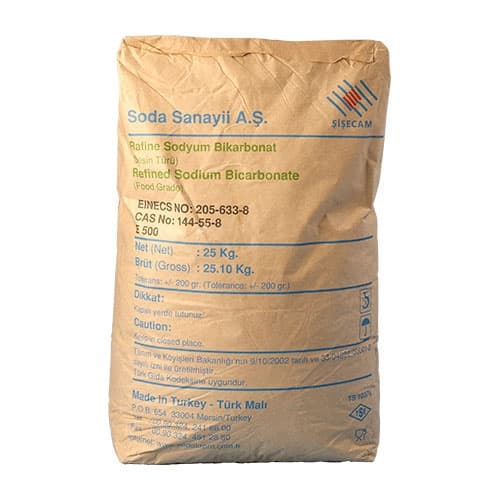
Rafine Sodyum Bikarbonat
Rafine Sodyum Bikarbonat is a food-grade sodium bicarbonate produced by Soda Sanayii A.Ş. This versatile compound is essential in various food processing applications and effective as a cleaning agent.
WhatsApp