GYPSUM
Veerbalwan Gypsum is a high-quality gypsum product manufactured by C.B. SONS, ideal for agricultural applications. It comes in a convenient 50 kg packaging, providing effective soil conditioning and enhancing crop yield.
Chemical Properties
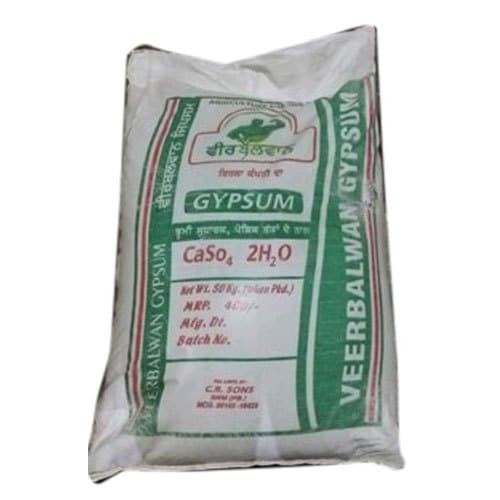
GYPSUM
Brand: वीरबलवान·Manufactured by: C.B. SONS
Veerbalwan Gypsum is a high-quality gypsum product manufactured by C.B. SONS, ideal for agricultural applications. It comes in a convenient 50 kg packaging, providing effective soil conditioning and enhancing crop yield.
Product Introduction
Gypsum, known chemically as calcium sulfate dihydrate (CaSO4·2H2O), is an essential mineral used extensively in agriculture. Produced by C.B. SONS under the brand Veerbalwan, this high-quality gypsum serves multiple functions in soil management, including soil conditioning, nutrient supply, and sodic soil management. With a purity of 95% minimum, it is well-suited for improving soil structure and enhancing water infiltration. In East Africa, where agriculture is a key economic driver, the effective application of gypsum can lead to increased crop yields and improved soil health, making it a valuable resource for farmers and agricultural enterprises alike.
Detailed Product Overview
Gypsum, with the chemical formula CaSO4 2H2O, is a naturally occurring mineral known for its role in enhancing soil structure and fertility. It is composed of calcium sulfate dihydrate and appears as a white crystalline powder. With a molecular weight of 172.17 g/mol, this technical-grade gypsum is primarily used in agricultural applications due to its high purity of 95% minimum. The mineral decomposes above 150°C, and its low solubility in water (0.2 g/100 mL) makes it suitable for gradual nutrient release in soils, providing both calcium and sulfur essential for plant growth. In agriculture, gypsum is predominantly used for soil conditioning and nutrient supply. Its ability to improve soil aeration and drainage makes it particularly valuable in managing sodic soils, where it helps displace sodium ions and enhance soil structure. This process is crucial for increasing the soil's capacity to retain water and nutrients, ultimately boosting crop yield. Additionally, gypsum's neutral to slightly alkaline pH range of 7.0 to 8.5 in a 10% solution makes it suitable for a wide range of crops, ensuring it does not adversely affect soil pH levels. Its sulfur content of at least 18% is vital for protein synthesis in plants, while the calcium content of 29% aids in strengthening cell walls. When procuring gypsum, it is important to verify the technical grade and purity, ensuring it meets the minimum 95% purity specification. The product should appear as a white crystalline powder, confirming its quality and suitability for agricultural use. Buyers should also check the bulk density, which is 0.9 g/cm³, to ensure proper handling and application. The sulfur and calcium content should meet the specified minimum levels, as these are critical for the product's effectiveness in soil conditioning and nutrient supply. Additionally, the moisture content should not exceed 5% to prevent any adverse effects on storage and application. Handling and storage of gypsum require attention to maintain its quality and efficacy. It should be stored below 30°C in a dry environment to prevent moisture absorption, which could affect its performance. The product is packaged in 50 kg polypropylene bags, offering durability and ease of transport. Buyers in the East African market, including Kenya, Uganda, and Tanzania, should ensure that the packaging is intact upon arrival to maintain product integrity. As a registered product with the Pest Control Products Board (PCPB) for agricultural use, compliance with local regulations is assured, making it a reliable choice for enhancing soil and crop health.
Applications & Uses
Soil Conditioning
Gypsum is widely used for soil conditioning as it helps to improve the structure of compacted soils. By enhancing aeration and water infiltration, it promotes healthier root development and increases crop yield.
Nutrient Supply
Gypsum provides essential nutrients such as calcium and sulfur, which are vital for plant growth. It helps in preventing nutrient deficiencies and supports overall plant health.
Sodic Soil Management
In sodic soils, high sodium levels can hinder plant growth. Gypsum effectively displaces sodium ions, improving soil structure and reducing salinity, which leads to better crop performance.
pH Neutralization
Gypsum can help neutralize acidic soils, creating a more favorable environment for crops. Its slightly alkaline nature makes it suitable for enhancing soil pH levels.
Industries Served
Benefits & Advantages
Using Veerbalwan Gypsum from Kivi Chemicals offers numerous benefits for agricultural buyers in East Africa. The product's ability to improve soil structure enhances aeration and water retention, leading to healthier crops and higher yields. Gypsum also provides essential nutrients, calcium, and sulfur, which are crucial for plant growth and development. By managing sodic soils effectively, it helps to mitigate soil salinity issues, making it an ideal choice for farmers facing these challenges. Furthermore, the neutral pH of gypsum ensures that it does not adversely affect soil acidity, promoting a balanced nutrient environment. Kivi Chemicals supplies this high-quality gypsum in convenient 50 kg bags, ensuring that farmers can easily apply it to their fields. The technical grade of Veerbalwan Gypsum is designed for agricultural use, providing peace of mind for buyers regarding its efficacy and safety.
Packaging & Bulk Supply
Veerbalwan Gypsum is available in 50 kg polypropylene bags, making it easy to handle and transport. This packaging is designed to protect the product from moisture and contamination, ensuring that it retains its quality during storage and transportation. Kivi Chemicals offers bulk supply options for larger agricultural operations, catering to the needs of diverse farming practices across East Africa.
Storage & Handling
To maintain the quality of Veerbalwan Gypsum, it should be stored in a cool, dry place, away from direct sunlight and moisture. The ideal storage temperature is below 30 °C. It is important to keep the product sealed in its original packaging until use to prevent contamination. When handling gypsum, it is advisable to wear appropriate personal protective equipment (PPE), such as gloves and masks, to avoid inhalation of dust and skin contact. Always follow local regulations and guidelines for the safe handling and application of agricultural chemicals.
External References & Further Reading
Technical Specifications
| Purity | 95% Min |
| Appearance | White crystalline powder |
| Bulk Density | 0.9 g/cm³ |
| Melting Point | Decomposes above 150 °C |
| Sulfur Content | 18% Min |
| Calcium Content | 29% Min |
| Moisture Content | 5% Max |
| pH of 10% Solution | 7.0 - 8.5 |
| Solubility in Water | 0.2 g/100 mL |
| Storage Temperature | Store below 30 °C |
| Calcium Sulfate Content | 100% (as CaSO4) |
| Water of Crystallization | 2 H2O |
Safety & Handling Guidelines
Not classified as hazardous under GHS.
Veerbalwan Gypsum is not classified as hazardous under GHS, making it safe for agricultural use when handled properly. However, users should still take precautions to avoid dust inhalation and contact with skin. In case of accidental exposure, rinse affected areas with plenty of water. For ingestion or more serious exposure, seek medical attention immediately. Always refer to the product's safety data sheet (SDS) for detailed safety information and first-aid measures.
Regulatory Compliance & Standards
Ready to order GYPSUM?
Our supply desk responds with pricing and lead times, usually within one business day.
Frequently Asked Questions
What is Gypsum used for in agriculture?
Gypsum is primarily used for soil conditioning, nutrient supply, sodic soil management, and pH neutralization in agricultural practices.
How does Gypsum improve soil health?
Gypsum enhances soil structure, improves aeration and drainage, and provides essential nutrients like calcium and sulfur.
Is Gypsum safe to use in farming?
Yes, Veerbalwan Gypsum is not classified as hazardous under GHS, making it safe for agricultural applications when handled properly.
What is the recommended application rate for Gypsum?
The application rate can vary based on soil conditions and crop requirements; typically, it ranges from 500 to 2000 kg per hectare.
Can Gypsum help with soil salinity issues?
Yes, Gypsum effectively displaces sodium in sodic soils, improving soil structure and reducing salinity.
How should Gypsum be stored?
Gypsum should be stored in a cool, dry place, away from moisture and direct sunlight, ideally below 30 °C.
What are the key nutrients provided by Gypsum?
Gypsum provides essential nutrients, primarily calcium and sulfur, which are vital for plant growth.
Related Formulations
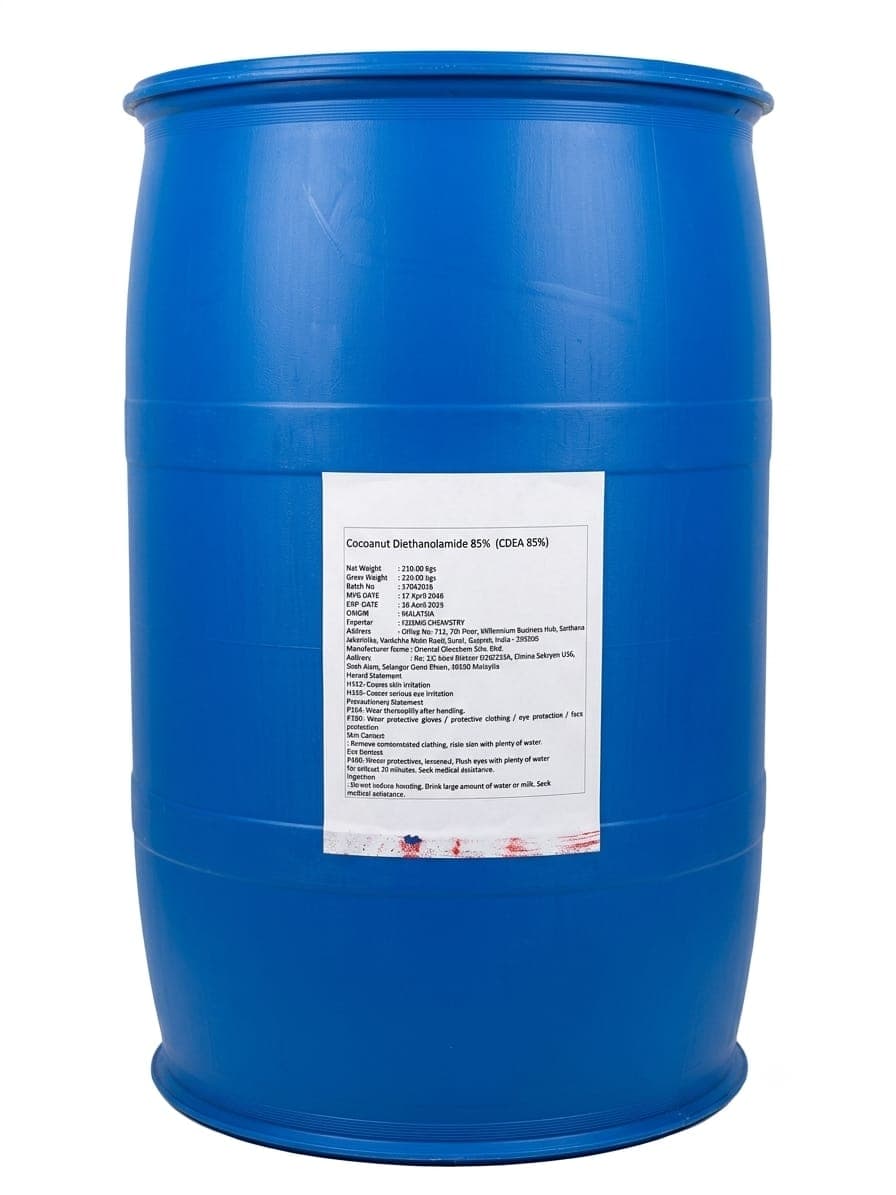
Cocoanut Diethanolamide 85% (CDEA 85%)
Cocoanut Diethanolamide 85% (CDEA 85%) is a versatile surfactant used in various formulations, especially in personal care and industrial cleaning products.
WhatsApp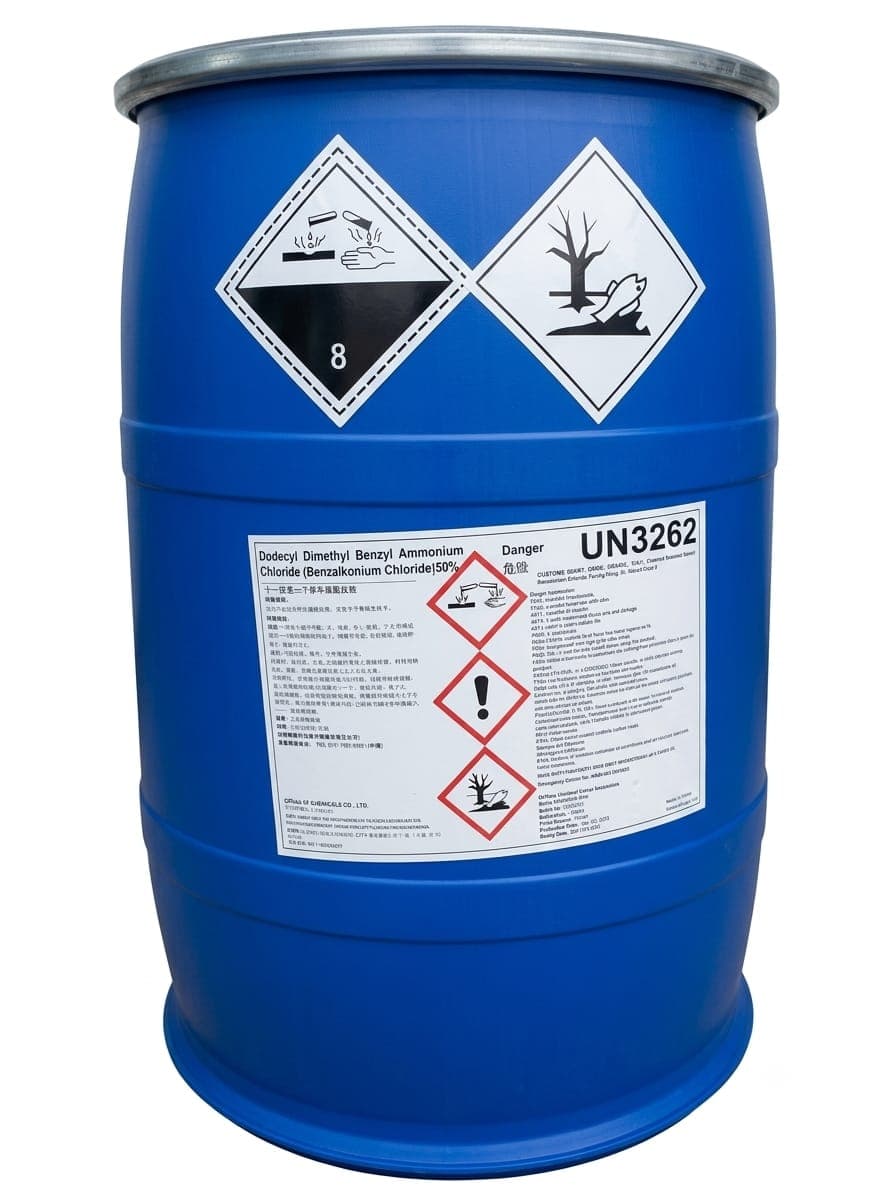
Dodecyl Dimethyl Benzyl Ammonium Chloride (Benzalkonium Chloride) 50%
Dodecyl Dimethyl Benzyl Ammonium Chloride (Benzalkonium Chloride) 50% is a potent quaternary ammonium compound widely used for its antimicrobial properties in various industrial applications.
WhatsApp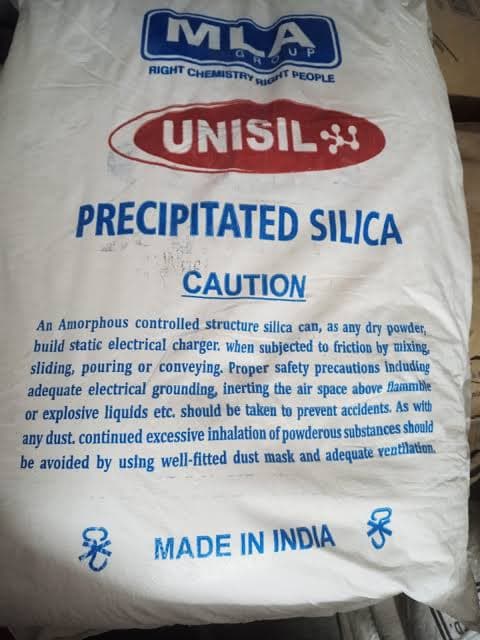
PRECIPITATED SILICA
PRECIPITATED SILICA is a versatile industrial chemical manufactured by MLA GROUP under the UNISIL brand. It is known for its controlled amorphous structure and is widely used in various applications.
WhatsApp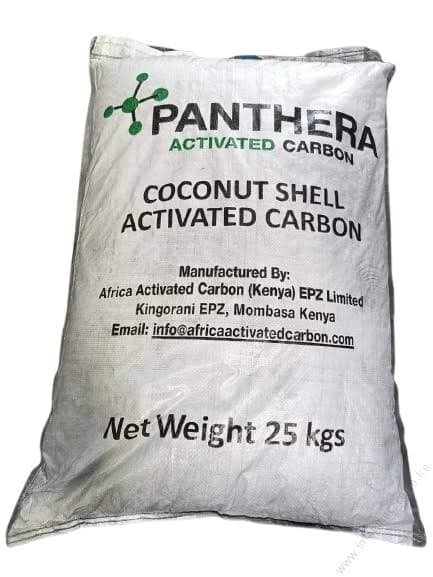
Coconut Shell Activated Carbon
Coconut Shell Activated Carbon from Panthera is an effective adsorbent used in various applications including water treatment and air purification. Manufactured by Africa Activated Carbon (Kenya) EPZ Limited, it comes in a convenient 25 kg package.
WhatsApp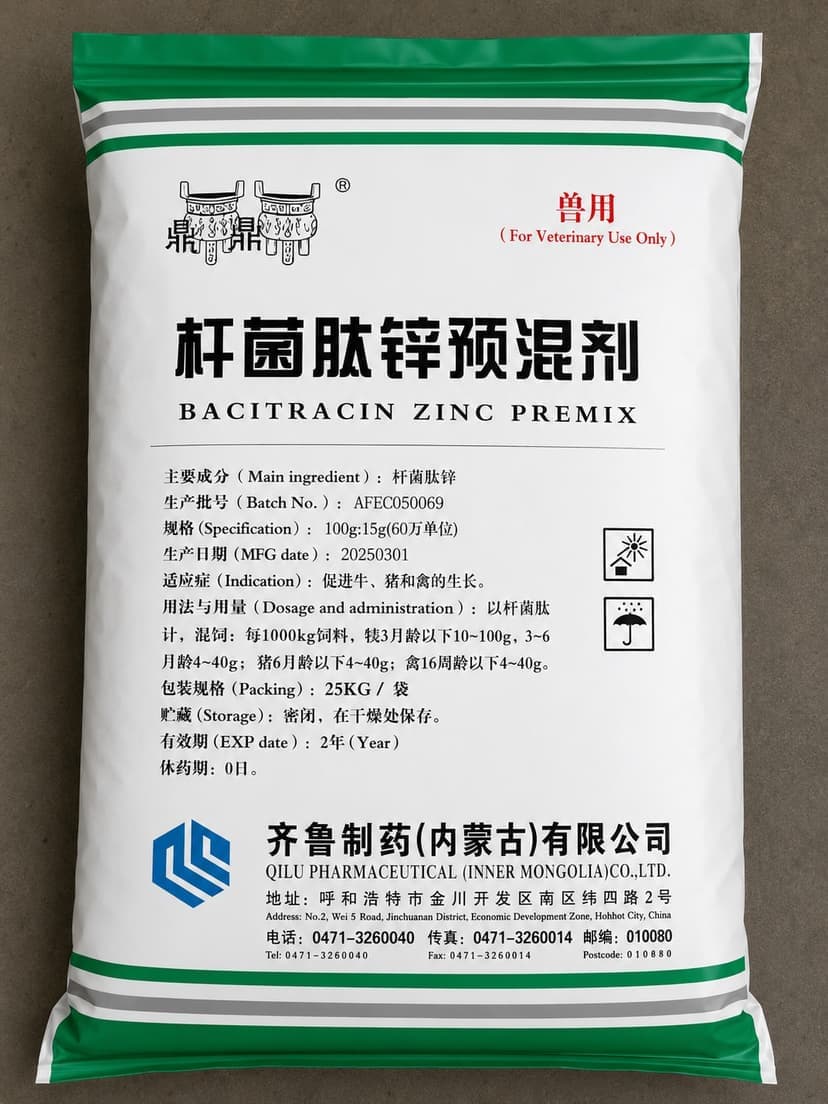
BACITRACIN ZINC PREMIX
BACITRACIN ZINC PREMIX is a veterinary formulation designed to promote growth in cattle, pigs, and poultry. It is available in a 25KG package, ensuring convenient handling for agricultural applications.
WhatsApp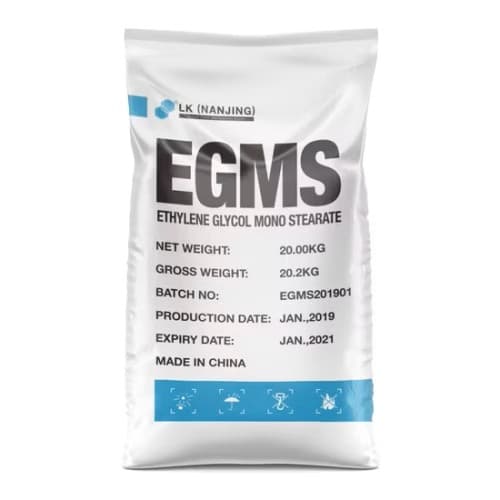
Ethylene Glycol Mono Stearate
Ethylene Glycol Mono Stearate (EGMS) is a versatile emulsifier used in various industries, particularly in the formulation of detergents and soaps. Available in 20 kg packaging, it facilitates stable mixtures and enhances product performance.
WhatsApp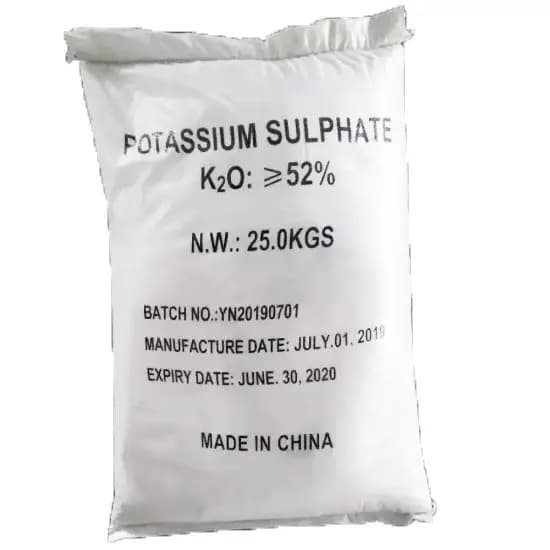
POTASSIUM SULPHATE
Potassium Sulphate is a white crystalline solid with a minimum K2O content of 52%. It is commonly used in fertilizers and various industrial applications.
WhatsApp
COPPER SULFATE
Copper Sulfate, with the chemical formula CuSO4.5H2O, is widely used in various industrial applications, particularly in agriculture and water treatment.
WhatsApp