Hotmelt Adhesives
Hotmelt adhesives are versatile bonding agents designed for various applications. Ideal for creating strong, durable bonds in manufacturing and packaging processes.
Chemical Properties
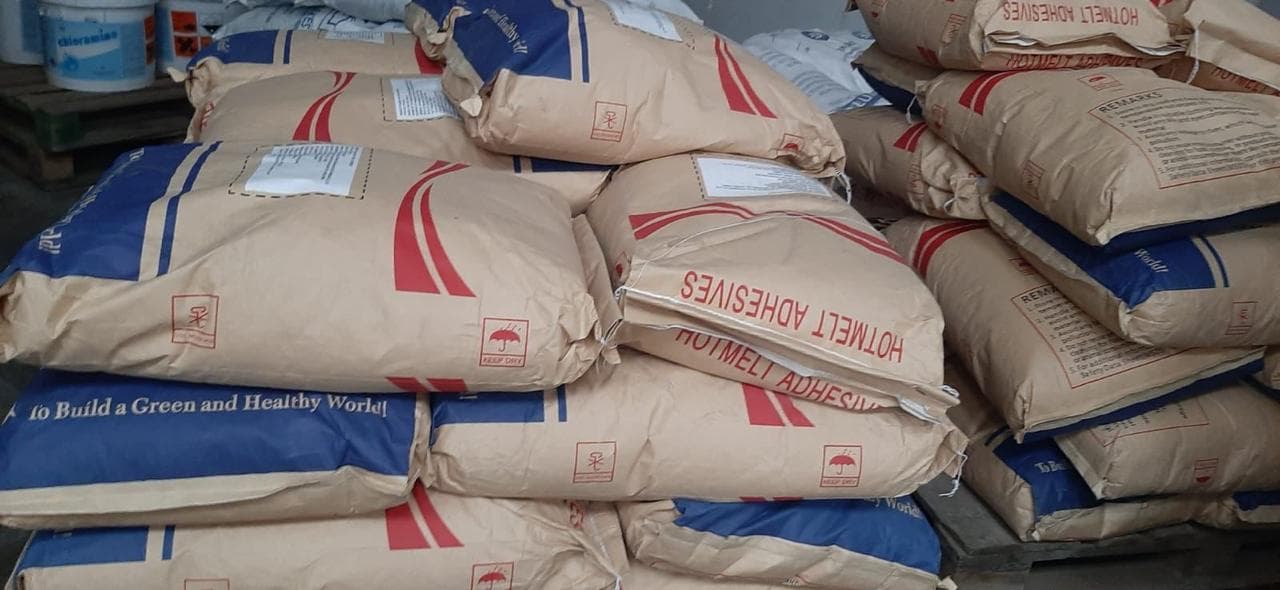
Hotmelt Adhesives
Hotmelt adhesives are versatile bonding agents designed for various applications. Ideal for creating strong, durable bonds in manufacturing and packaging processes.
Product Introduction
Hotmelt adhesives are essential in numerous industries, providing reliable bonding solutions that contribute to efficient production processes. These adhesives are known for their quick setting times and strong adhesion properties, making them ideal for applications in packaging, woodworking, and automotive assembly. As industries in East Africa continue to modernize, the demand for effective and environmentally friendly adhesives is on the rise. Kivi Chemicals recognizes this need and is committed to supplying high-quality hotmelt adhesives that meet the diverse requirements of local manufacturers and suppliers. By choosing Kivi Chemicals, businesses can enhance their production capabilities while promoting sustainability through the use of eco-friendly materials.
Detailed Product Overview
Hotmelt adhesives are thermoplastic materials that are applied in a molten state and solidify upon cooling. They are known for their excellent bonding strength and versatility, making them suitable for a wide range of applications. These adhesives can bond various substrates, including paper, cardboard, plastics, and metals, making them an essential material in industries such as packaging, woodworking, and automotive manufacturing. The ability to form strong bonds quickly allows for increased efficiency in production lines. Furthermore, hotmelt adhesives are often formulated to be environmentally friendly, aligning with the growing emphasis on sustainable practices in East Africa. Kivi Chemicals is dedicated to providing hotmelt adhesives that not only meet performance standards but also support a greener future.
Applications & Uses
Packaging Industry
Hotmelt adhesives are widely used in the packaging industry for sealing boxes, cartons, and labels. Their quick bonding capabilities ensure efficient production and reduce the time products spend in the assembly line.
Woodworking
In woodworking, hotmelt adhesives are used for laminating, assembling furniture, and edge banding. They provide a strong and durable bond that is essential for the longevity of wooden products.
Automotive Assembly
Hotmelt adhesives are utilized in automotive manufacturing for bonding interior components, trims, and insulation materials. Their resistance to temperature fluctuations makes them ideal for this application.
Textile Industry
In the textile industry, hotmelt adhesives are applied for fabric bonding and lamination. They offer flexibility and durability, making them suitable for a variety of textile applications.
Industries Served
Benefits & Advantages
Hotmelt adhesives offer numerous advantages for businesses in East Africa. Their rapid setting time significantly enhances production efficiency, allowing companies to meet tight deadlines without compromising on quality. The strong bonding properties of these adhesives ensure that products remain secure throughout their lifecycle, reducing the risk of product failure. Additionally, hotmelt adhesives are often formulated to be environmentally friendly, aligning with the increasing demand for sustainable manufacturing practices. By sourcing hotmelt adhesives from Kivi Chemicals, businesses not only gain access to high-quality products but also contribute to a greener and healthier world, promoting corporate social responsibility within their operations.
Packaging & Bulk Supply
Kivi Chemicals offers hotmelt adhesives in various packaging formats to accommodate different production scales. Available in bulk containers or smaller units, businesses can choose the option that best fits their operational needs. This flexibility ensures that companies can efficiently manage their inventory and minimize waste.
Storage & Handling
Hotmelt adhesives should be stored in a cool, dry place away from direct sunlight to maintain their integrity. It is essential to keep the packaging sealed when not in use to prevent contamination and moisture absorption. Handling should be done with care, using appropriate personal protective equipment (PPE) to avoid skin contact, as the adhesives can be hot during application. Proper storage and handling practices will ensure the adhesives maintain their performance characteristics over time.
Technical Specifications
| Parameter | Value |
Safety & Handling Guidelines
Hotmelt adhesives can pose certain hazards if mishandled. It is crucial to wear appropriate personal protective equipment, including gloves and goggles, when working with these adhesives. In case of skin contact, the affected area should be washed with soap and water. If inhaled, move to fresh air and seek medical attention if symptoms persist. Always ensure proper ventilation in the workspace to minimize exposure to fumes during application.
Regulatory Compliance & Standards
Ready to order Hotmelt Adhesives?
Our supply desk responds with pricing and lead times, usually within one business day.
Frequently Asked Questions
What are hotmelt adhesives used for?
Hotmelt adhesives are used for various applications including packaging, woodworking, automotive assembly, and textile bonding.
How do hotmelt adhesives work?
Hotmelt adhesives are applied in a molten state and solidify upon cooling, creating a strong bond between substrates.
Are hotmelt adhesives environmentally friendly?
Many hotmelt adhesives are formulated to be environmentally friendly, supporting sustainable manufacturing practices.
What industries commonly use hotmelt adhesives?
Common industries include packaging, woodworking, automotive, and textiles.
How should hotmelt adhesives be stored?
They should be stored in a cool, dry place away from direct sunlight to maintain their properties.
What safety precautions should be taken when using hotmelt adhesives?
It is important to wear gloves and goggles, and ensure proper ventilation in the workspace.