HDPE
HDPE (High-Density Polyethylene) is a versatile thermoplastic widely used in various industries, known for its strength and durability.
Chemical Properties
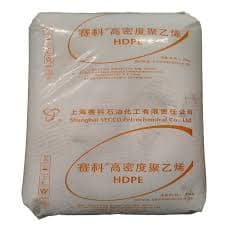
HDPE
Manufactured by: Shanghai SECCO Petrochemical Co., Ltd.
HDPE (High-Density Polyethylene) is a versatile thermoplastic widely used in various industries, known for its strength and durability.
Product Introduction
High-Density Polyethylene (HDPE) is a widely utilized thermoplastic polymer produced from the polymerization of ethylene. Known for its high strength-to-density ratio, HDPE is a preferred material in various applications, including packaging, construction, and automotive industries. Its excellent chemical resistance and robustness make it suitable for products requiring durability and reliability. Buyers sourcing HDPE from Kivi Chemicals can benefit from its versatility and performance in both industrial and consumer applications across East Africa, including Kenya, Uganda, and Tanzania.
Detailed Product Overview
Applications & Uses
Packaging Solutions
HDPE is widely used in packaging applications, including bottles, containers, and plastic bags, due to its strength and chemical resistance. Its lightweight nature and durability make it an ideal choice for both consumer and industrial packaging.
Piping Systems
In the construction and plumbing industries, HDPE is utilized for piping systems due to its resistance to corrosion and ability to withstand high pressures. It is commonly used in water distribution and drainage systems.
Automotive Components
HDPE is increasingly used in automotive manufacturing for parts like fuel tanks and bumpers, where lightweight and durability are critical. Its impact resistance contributes to vehicle safety and efficiency.
Consumer Goods
HDPE is used in a variety of consumer products, including toys, household items, and kitchenware, owing to its safety, durability, and ease of processing.
Industries Served
Benefits & Advantages
Kivi Chemicals supplies HDPE that offers numerous operational benefits for businesses in East Africa. This material is cost-effective due to its recyclability and long lifespan, reducing the need for frequent replacements. The strength and chemical resistance of HDPE lead to reduced maintenance costs, making it an economical choice for industries such as packaging and construction. Additionally, its lightweight nature contributes to lower shipping costs and ease of handling during manufacturing processes. Buyers sourcing from Kivi Chemicals can trust in the high quality and performance of HDPE, ensuring their products meet industry standards and consumer expectations.
Packaging & Bulk Supply
HDPE is typically available in various packaging formats, including bulk containers and standard-sized bags, allowing for flexibility in supply and storage. Kivi Chemicals can accommodate both small-scale and large-scale orders to meet the diverse needs of its clients.
Storage & Handling
HDPE should be stored in a cool, dry place, away from direct sunlight to prevent degradation. It is essential to avoid exposure to extreme temperatures, which can affect the material's properties. When handling HDPE, appropriate personal protective equipment (PPE) should be worn to ensure safety, including gloves and safety goggles. Proper storage and handling practices will maintain the quality and performance of HDPE for various applications.
External References & Further Reading
Technical Specifications
| Parameter | Value |
Safety & Handling Guidelines
Not classified as hazardous under GHS.
HDPE is generally considered safe for use; however, it is essential to handle it with care. While it is not classified as hazardous under GHS, appropriate PPE should be worn during processing to prevent skin and eye irritation. In case of contact with skin, wash thoroughly with soap and water. For eye contact, rinse immediately with plenty of water and seek medical attention if irritation persists.
Ready to order HDPE?
Our supply desk responds with pricing and lead times, usually within one business day.
Frequently Asked Questions
What is HDPE used for?
HDPE is commonly used in packaging, piping systems, and automotive components due to its strength and chemical resistance.
Is HDPE recyclable?
Yes, HDPE is highly recyclable, making it an environmentally friendly choice for various applications.
What are the benefits of using HDPE?
HDPE offers durability, low moisture absorption, and excellent chemical resistance, making it suitable for a wide range of industrial applications.
How should HDPE be stored?
HDPE should be stored in a cool, dry place away from direct sunlight to maintain its properties.
Is HDPE safe for food packaging?
Yes, HDPE is safe for food packaging and is widely used for bottles and containers.
What industries commonly use HDPE?
Industries such as packaging, construction, and automotive frequently utilize HDPE for its beneficial properties.
Related Formulations
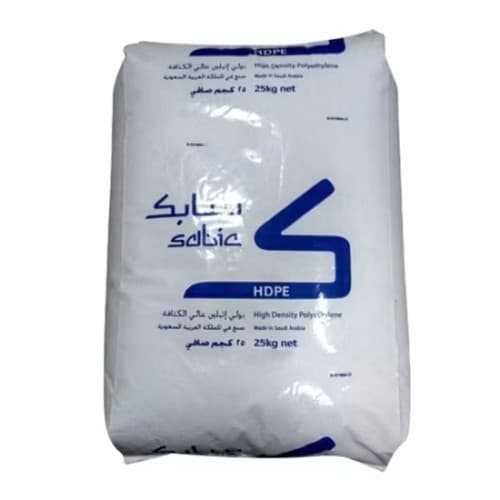
High Density Polyethylene
High Density Polyethylene (HDPE) is a versatile thermoplastic used in various applications across industries. Supplied in 25kg net bags, it is ideal for manufacturing containers and pipes.
WhatsApp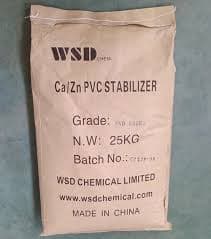
Ca/Zn PVC STABILIZER
WSD Ca/Zn PVC Stabilizer is designed to enhance the thermal stability of PVC products, ensuring longevity and performance in various applications.
WhatsApp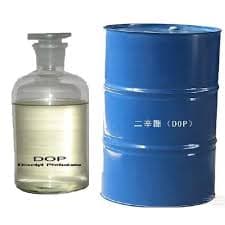
Dioctyl Phthalate
Dioctyl Phthalate (DOP) is a versatile plasticizer used in various applications. It enhances the flexibility and durability of plastics, making it essential in multiple industries.
WhatsApp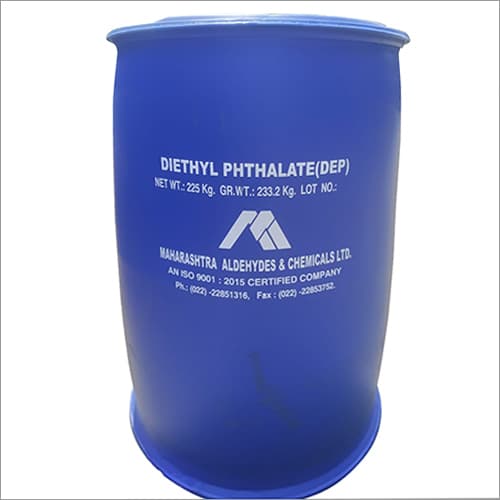
Diethyl Phthalate (DEP)
Diethyl Phthalate (DEP) is a colorless liquid widely used as a plasticizer in various industrial applications. Manufactured by Maharashtra Aldehydes & Chemicals Ltd., it is known for its effectiveness and versatility.
WhatsApp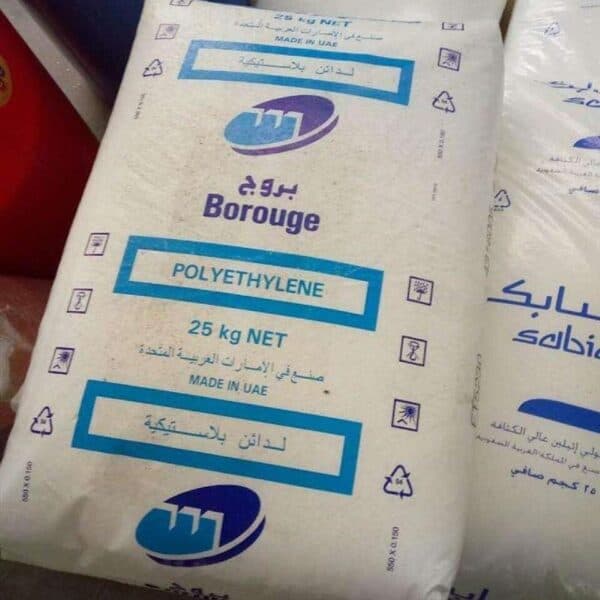
POLYETHYLENE
Borouge's Polyethylene is a versatile polymer used in various applications. Packaged in 25 kg NET bags, it is ideal for industries such as packaging and construction.
WhatsApp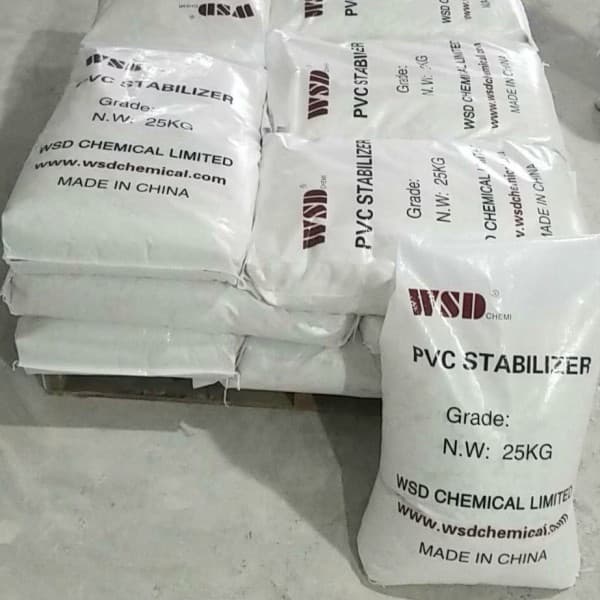
PVC STABILIZER
WSD PVC Stabilizer is a high-performance additive designed to enhance the stability and durability of polyvinyl chloride (PVC) products. Packaged in 25 kg bags, it is ideal for various industrial applications.
WhatsApp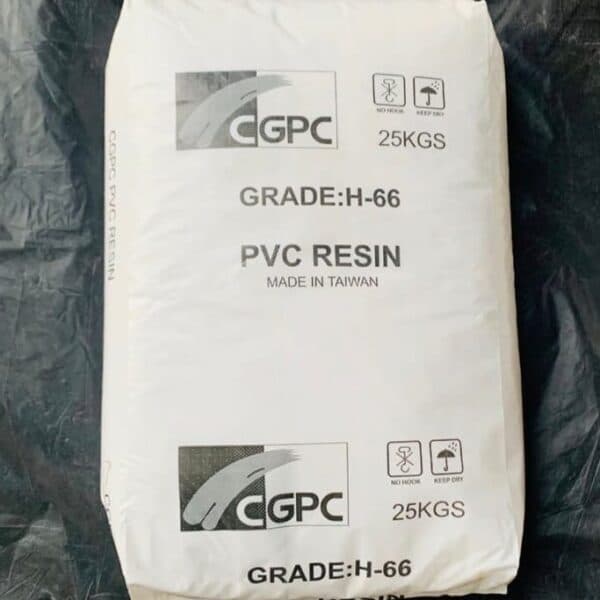
PVC RESIN
CGPC PVC Resin H-66 is a high-quality polyvinyl chloride material, ideal for various industrial applications. Packaged in 25 kg bags, it is designed for ease of use and storage.
WhatsApp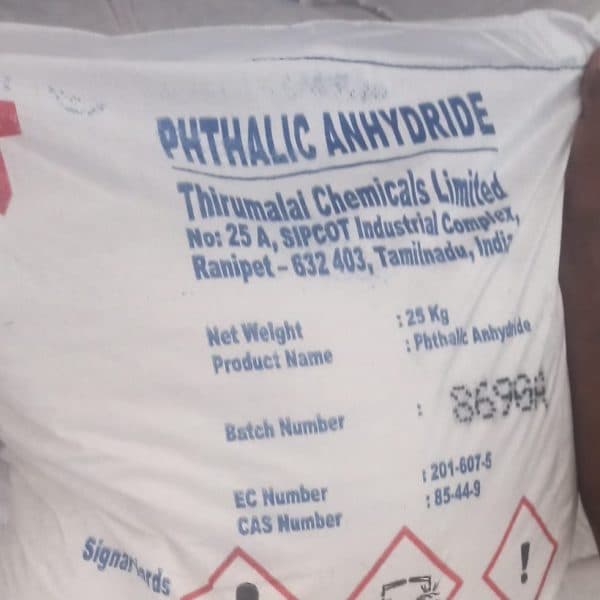
Phthalic Anhydride
Phthalic Anhydride is a key chemical intermediate used in various applications, particularly in the production of resins, plastics, and dyes. Supplied by Kivi Chemicals, it comes in a 25 kg package.
WhatsApp