Carboxy Methyl Cellulose
Carboxy Methyl Cellulose (CMC) is a versatile cellulose derivative used extensively in the paper and pulp industry for its binding and thickening properties. Supplied in 25KG bags, it enhances product quality and performance.
Chemical Properties
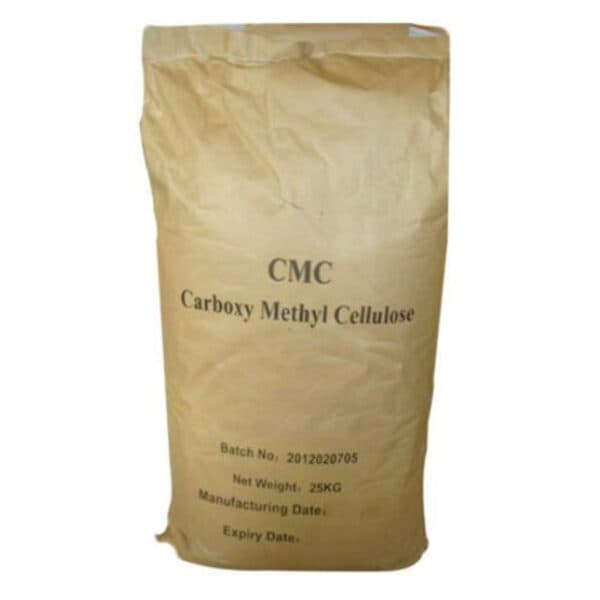
Carboxy Methyl Cellulose
Brand: CMC
Carboxy Methyl Cellulose (CMC) is a versatile cellulose derivative used extensively in the paper and pulp industry for its binding and thickening properties. Supplied in 25KG bags, it enhances product quality and performance.
Product Introduction
Carboxy Methyl Cellulose (CMC) is a crucial cellulose derivative employed in the paper and pulp industry due to its remarkable binding, thickening, and stabilizing properties. As a water-soluble polymer, CMC is widely used in various applications including paper coating, adhesives production, and pulp processing. In East Africa, where the demand for high-quality paper products is on the rise, sourcing CMC from Kivi Chemicals ensures that manufacturers can enhance their product quality and performance. By integrating CMC into their formulations, companies can achieve improved viscosity control, better water retention, and enhanced adhesion, which are vital for producing durable and effective paper products. Kivi Chemicals is committed to providing high-quality CMC to meet the evolving needs of the paper and pulp industry across Kenya, Uganda, Tanzania, and the wider East African region.
Detailed Product Overview
Carboxy Methyl Cellulose (CMC), a cellulose ether, is synthesized by the alkalization of cellulose followed by carboxymethylation. This process results in a white to off-white powder that is highly soluble in water, forming a viscous solution. CMC is primarily used in the paper and pulp industry for its ability to enhance the physical properties of paper products. The industrial grade of CMC is particularly suited for applications requiring thickening and binding agents. Its unique characteristics allow it to serve multiple functions including acting as a water retention agent, which is essential for improving the quality of paper during the drying process. CMC also contributes to the uniformity and smoothness of paper surfaces, making it an indispensable additive in paper coatings. Furthermore, its stability across varying temperatures and pH levels ensures consistent performance in diverse manufacturing processes. Kivi Chemicals supplies CMC in 25 kg polypropylene bags, catering to the needs of industrial buyers looking for reliable and effective solutions for their production requirements.
Applications & Uses
Paper Coating
In paper coating applications, Carboxy Methyl Cellulose enhances the smoothness and gloss of the paper surface. Its thickening properties allow for better control over the coating process, leading to improved printability and overall aesthetic appeal.
Adhesives Production
CMC is widely utilized in the production of adhesives due to its excellent binding properties. It helps to improve the adhesion strength and viscosity of the adhesive formulations, making them more effective for various bonding applications.
Pulp Processing
During pulp processing, CMC acts as a water retention agent, which is crucial for maintaining moisture levels in the pulp. This helps in achieving optimal fiber bonding and enhances the overall quality of the final paper product.
Water Retention Agent
As a water retention agent, Carboxy Methyl Cellulose plays a vital role in controlling moisture levels in various formulations. This property is particularly important in the paper manufacturing process, where consistent moisture content is essential for product quality.
Benefits & Advantages
Carboxy Methyl Cellulose (CMC) offers numerous benefits for manufacturers in the paper and pulp industry. Its ability to enhance viscosity and improve water retention makes it an invaluable additive for producing high-quality paper products. By incorporating CMC in their formulations, buyers can achieve better adhesion and smoother surfaces, leading to superior printability and overall product aesthetics. Additionally, CMC's stability across various temperatures and pH levels ensures that it performs consistently, reducing the risk of production issues. Sourcing CMC from Kivi Chemicals allows manufacturers to benefit from high-quality materials that align with industry standards, ultimately enhancing their operational efficiency and product performance. The economic advantage of using CMC, coupled with its multifunctional properties, positions it as a key ingredient in modern paper manufacturing processes across East Africa.
Packaging & Bulk Supply
Kivi Chemicals supplies Carboxy Methyl Cellulose in 25 kg polypropylene bags, ensuring optimal protection and convenience for industrial buyers. This packaging format is designed to facilitate easy handling and storage, making it suitable for both small and large-scale operations. Bulk supply options may also be available upon request, enabling manufacturers to meet their specific production needs efficiently.
Storage & Handling
Carboxy Methyl Cellulose should be stored in a cool, dry place away from direct sunlight and moisture to maintain its effectiveness. The product should be kept in its original packaging until ready for use to prevent contamination. It is advisable to use appropriate handling equipment to avoid dust formation during transfer. Ensure that the storage area is well-ventilated to minimize any potential buildup of humidity, which could affect the quality of the CMC. Regularly inspect storage conditions to ensure that they remain within the recommended parameters to prolong shelf life and maintain product integrity.
External References & Further Reading
Technical Specifications
| pH | 6.0 - 8.0 |
| Odor | Odorless |
| Viscosity | Varies depending on concentration (e.g., 100 - 1000 cP) |
| Appearance | White to off-white powder |
| Shelf Life | 12 months when stored properly |
| Solubility | Soluble in water |
| Ash Content | Max 5% |
| Bulk Density | 0.5 - 0.8 g/cm³ |
| Moisture Content | Max 10% |
| Storage Temperature | 15°C - 30°C |
| Viscosity Stability | Stable at varying temperatures |
| Thermal Decomposition | Decomposes at temperatures above 200°C |
Safety & Handling Guidelines
Not classified as hazardous under GHS.
Carboxy Methyl Cellulose is not classified as hazardous under GHS, making it a safe option for use in various industrial applications. However, it is recommended to wear appropriate personal protective equipment (PPE) such as gloves and masks when handling the powder to prevent inhalation or skin contact. In case of accidental ingestion or exposure, rinse the affected area with plenty of water and seek medical attention if necessary. Always follow local regulations and guidelines when disposing of the product to ensure environmental safety.
Regulatory Compliance & Standards
Frequently Asked Questions
What is Carboxy Methyl Cellulose used for?
Carboxy Methyl Cellulose is primarily used in the paper and pulp industry for applications such as paper coating, adhesive production, and as a water retention agent.
How does CMC enhance paper quality?
CMC enhances paper quality by improving adhesion, increasing viscosity, and providing water retention, which leads to better fiber bonding and smoother surfaces.
Is CMC safe to handle?
Yes, Carboxy Methyl Cellulose is not classified as hazardous under GHS, but it is advisable to use personal protective equipment during handling.
What is the shelf life of CMC?
Carboxy Methyl Cellulose has a shelf life of 12 months when stored properly in a cool, dry place.
In what packaging is CMC supplied?
Kivi Chemicals supplies Carboxy Methyl Cellulose in 25 kg polypropylene bags for easy handling and storage.
Can CMC be used in other industries?
While CMC is widely used in the paper and pulp industry, it is also utilized in food, pharmaceuticals, and cosmetic applications due to its thickening and binding properties.
What are the storage requirements for CMC?
CMC should be stored in a cool, dry place away from direct sunlight and moisture to maintain its effectiveness.
What are the environmental considerations for CMC?
Carboxy Methyl Cellulose is biodegradable and should be disposed of according to local regulations to ensure environmental safety.
Related Formulations
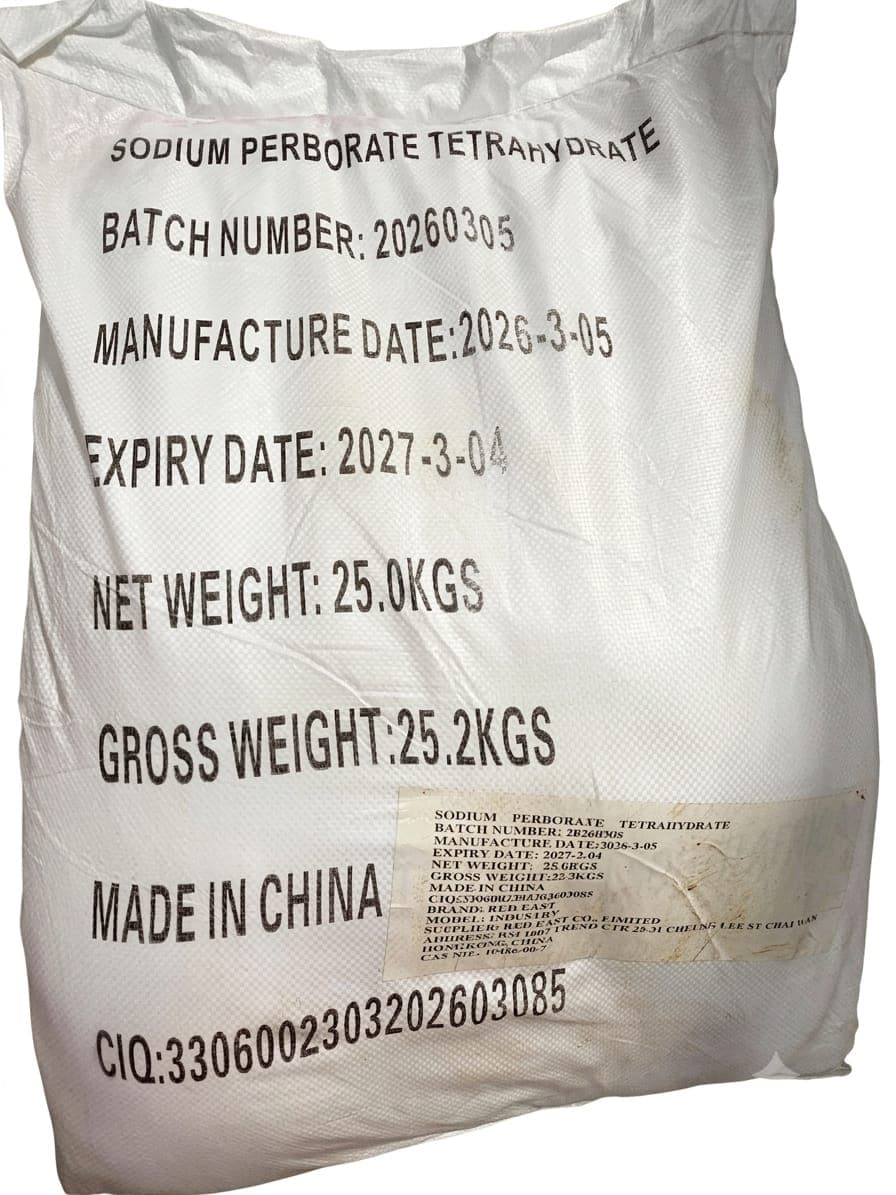
Sodium Perborate Tetrahydrate
Sodium Perborate Tetrahydrate is a versatile bleaching agent used in various applications, especially in laundry and cleaning products. This product is supplied in 25 kg bags by Kivi Chemicals.
WhatsApp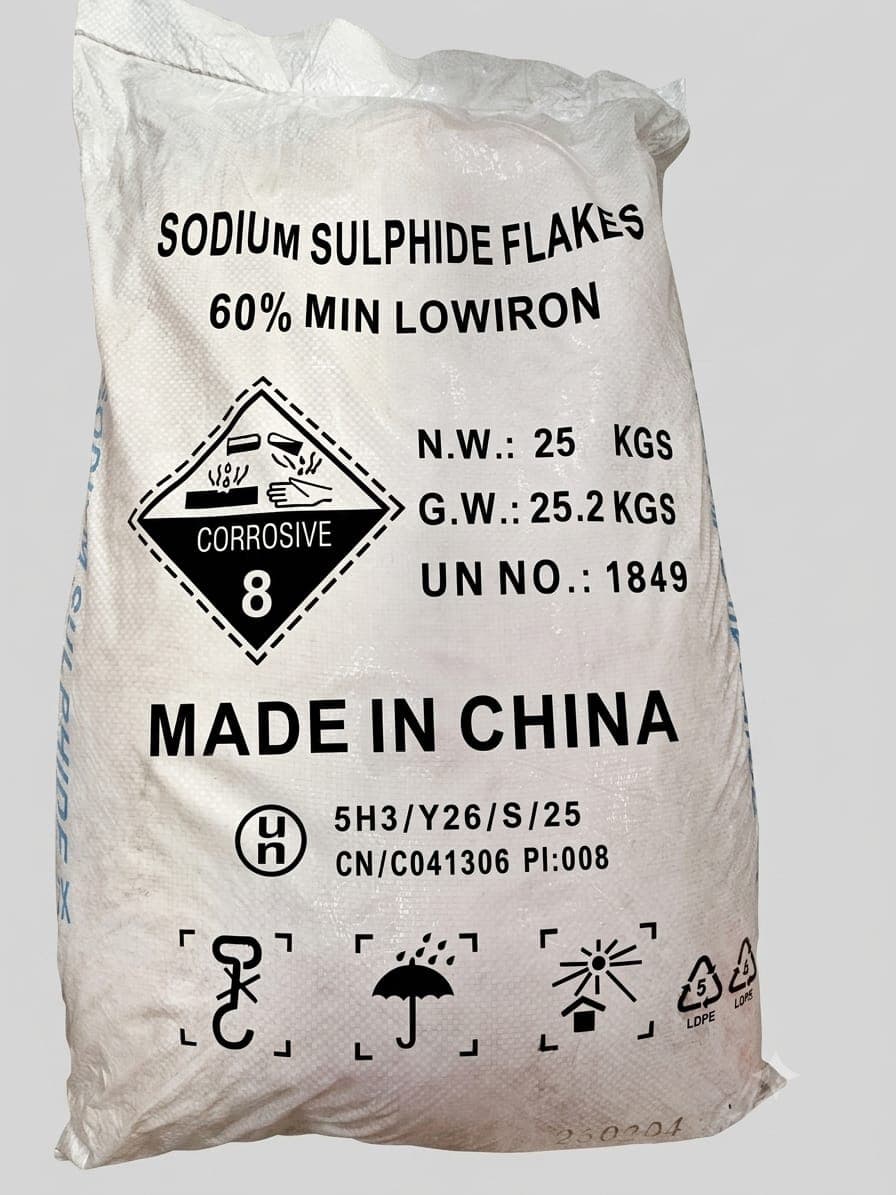
Sodium Sulphide Flakes
Sodium Sulphide Flakes are a versatile industrial chemical with a minimum purity of 60% and low iron content, used in various applications across East Africa.
WhatsApp
Sodium Isobutyl Xanthate
Sodium Isobutyl Xanthate is a powerful collector used in mineral processing. It enhances the flotation of various ores, making it essential for mining operations.
WhatsApp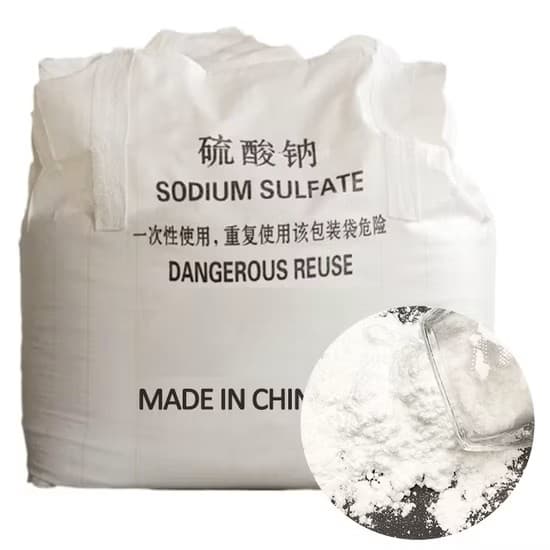
Sodium Sulfate
Sodium Sulfate is a versatile chemical used primarily in the paper and pulp industry. It serves as a filler and helps in the production of high-quality paper products.
WhatsApp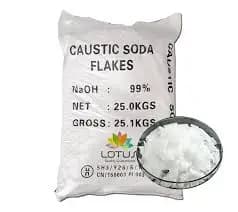
Caustic Soda Flakes
Caustic Soda Flakes (NaOH, 99%) are essential for various industrial applications, particularly in the paper and pulp industry. Available in 25 kg bags.
WhatsApp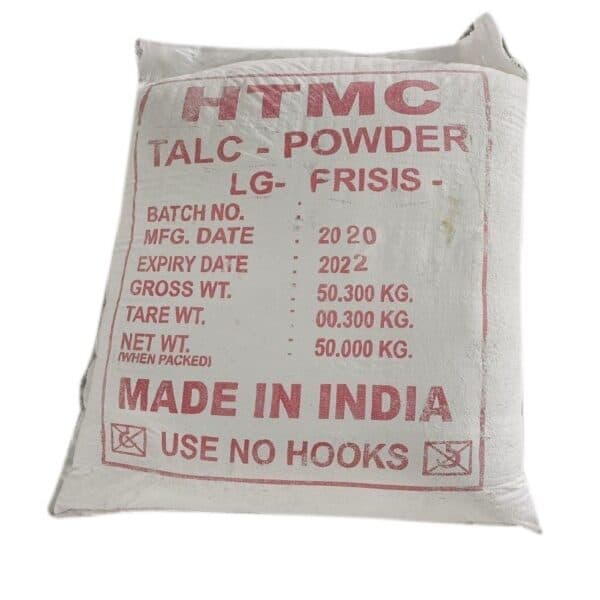
Talc - Powder
HTMC Talc Powder is a high-quality industrial grade talc used in various applications, particularly in the paper and pulp industry. It is available in a 50 kg package.
WhatsApp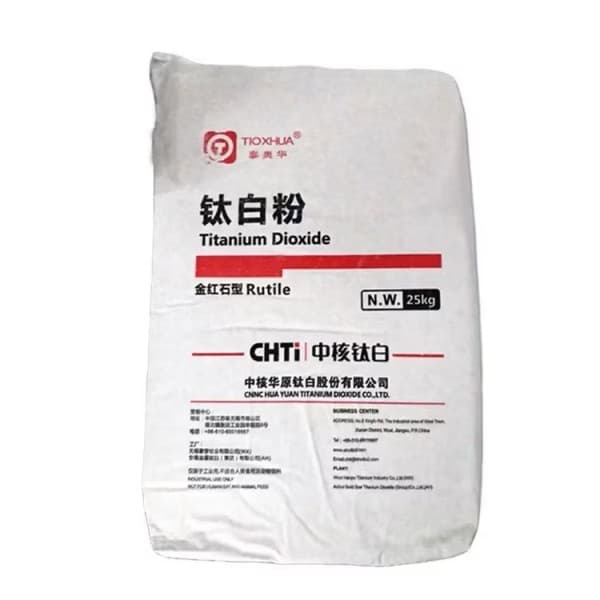
Titanium Dioxide
Titanium Dioxide (TIOX-HUA) is a high-performance pigment widely used in the paper and pulp industry for its excellent opacity and brightness.
WhatsApp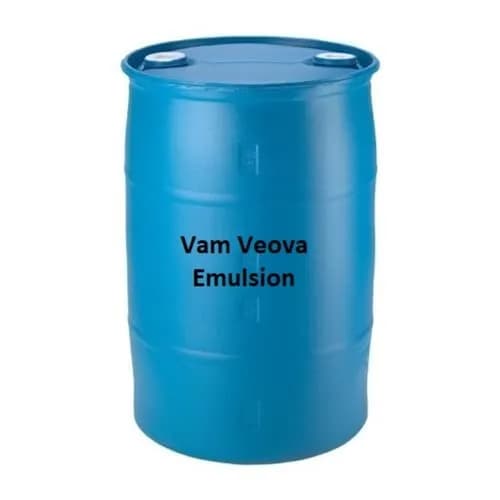
Vam Veova Emulsion
Vam Veova Emulsion is a versatile emulsion used primarily in the paper and pulp industry, enhancing adhesion and coating properties. It is available in convenient plastic drum packaging.
WhatsApp