Carboxy Methyl Cellulose
Carboxy Methyl Cellulose (CMC) is a versatile thickening agent widely used in the paints and coatings industry. It enhances viscosity and stability in formulations, making it essential for various applications.
Chemical Properties
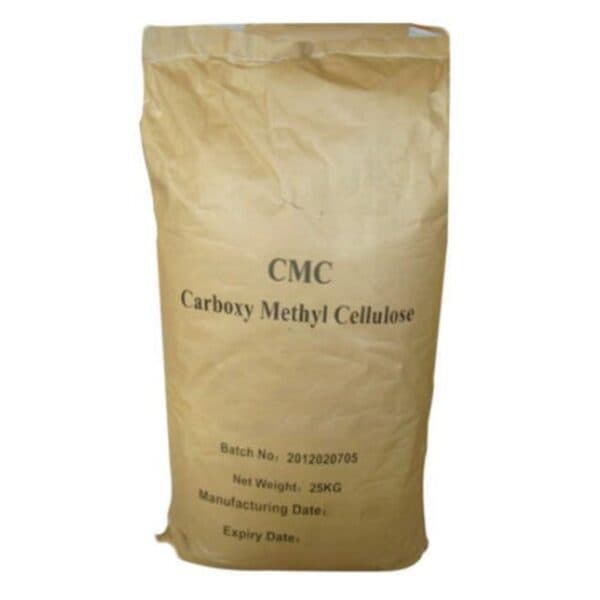
Carboxy Methyl Cellulose
Brand: CMC
Carboxy Methyl Cellulose (CMC) is a versatile thickening agent widely used in the paints and coatings industry. It enhances viscosity and stability in formulations, making it essential for various applications.
Product Introduction
Carboxy Methyl Cellulose (CMC) is an essential ingredient in the paints and coatings industry, known for its ability to enhance viscosity and stability in various formulations. This versatile cellulose derivative is widely utilized due to its excellent thickening, suspending, and binding properties. CMC is particularly valuable in water-based paints and coatings, where it ensures uniform consistency, improves adhesion, and enhances the overall performance of the final product. For businesses in Kenya, Uganda, Tanzania, and the broader East African region, sourcing high-quality CMC from Kivi Chemicals guarantees the reliability and effectiveness needed for successful applications in coatings and paints.
Detailed Product Overview
Carboxy Methyl Cellulose (CMC) is a modified cellulose polymer that plays a crucial role in various industrial applications, particularly in the paints and coatings sector. With its unique chemical structure, CMC provides essential properties such as thickening, stabilizing, and emulsifying, making it a preferred choice for formulators. The industrial grade of CMC offered by Kivi Chemicals is designed to meet the specific needs of the paints and coatings industry. It is soluble in water, allowing for easy incorporation into formulations, and contributes to the desired viscosity and stability of products. The white to off-white powder form of CMC ensures that it is easy to handle and mix with other components. CMC exhibits excellent thermal stability, remaining stable up to 200°C, which is critical during processing. Additionally, its low moisture content and controlled pH levels ensure that formulations remain consistent and effective over time. As a versatile ingredient, CMC is not only used in paints but also finds applications in adhesives, textile coatings, and even the food and pharmaceutical industries.
Applications & Uses
Water-Based Paints
In water-based paints, Carboxy Methyl Cellulose acts as a thickening agent that enhances the viscosity and stability of the paint. This ensures better application, improved flow properties, and reduced settling of pigment particles.
Coating Formulations
CMC is utilized in various coating formulations to provide a uniform texture and prevent sagging. Its ability to retain moisture aids in achieving a smooth finish, making it ideal for both interior and exterior coatings.
Adhesives
In adhesive formulations, CMC enhances the binding properties and improves the overall performance of the adhesive. It helps in achieving a strong bond while maintaining flexibility.
Textile Coatings
For textile coatings, Carboxy Methyl Cellulose provides excellent adhesion and durability. It helps in achieving a soft hand feel while ensuring that the coatings remain intact during washing and wearing.
Food Industry Applications
CMC is often used in the food industry as a thickening agent and stabilizer in sauces and dressings. Its ability to retain moisture and improve texture makes it a valuable ingredient.
Pharmaceutical Applications
In pharmaceuticals, CMC serves as a binder and thickener in tablet formulations and syrups. Its biocompatibility and safety make it suitable for use in medicinal products.
Benefits & Advantages
Carboxy Methyl Cellulose (CMC) offers numerous benefits to buyers in the East African paints and coatings market. Its ability to enhance viscosity and stability in formulations translates to better performance and quality of end products. By incorporating CMC, manufacturers can achieve a consistent texture in their paints, leading to improved application and finish. This not only enhances the aesthetic appeal of the coatings but also boosts their durability and resistance to environmental factors. Furthermore, CMC is cost-effective, allowing manufacturers to optimize their formulations without compromising on quality. As a reliable supplier, Kivi Chemicals provides high-grade CMC that meets industry standards, ensuring that businesses can confidently deliver superior products to their customers.
Packaging & Bulk Supply
Kivi Chemicals offers Carboxy Methyl Cellulose (CMC) in convenient packaging options to suit various industrial needs. The product is available in 25 kg bags, which are ideal for both small-scale and large-scale operations. This packaging ensures ease of handling and storage, allowing manufacturers to efficiently incorporate CMC into their formulations.
Storage & Handling
Carboxy Methyl Cellulose should be stored in a cool, dry place away from direct sunlight and moisture. It is important to keep the product in its original packaging until ready for use to prevent contamination. Ensure that the storage area is well-ventilated to maintain the integrity of the product. When handling CMC, it is advisable to wear appropriate personal protective equipment (PPE) such as gloves and masks to minimize any potential inhalation or skin contact. In case of spills, clean the area promptly and dispose of any waste according to local regulations.
External References & Further Reading
Technical Specifications
| Appearance | White to off-white powder |
| Shelf Life | 2 years when stored properly |
| Solubility | Soluble in water |
| Ash Content | Max 5% |
| Bulk Density | 0.5 - 0.8 g/cm³ |
| Particle Size | 100-200 microns |
| Moisture Content | Max 10% |
| Molecular Weight | N/A |
| pH (1% solution) | 6.0 - 8.0 |
| Thermal Stability | Stable up to 200°C |
| Degree of Substitution | 0.7 - 1.2 |
| Viscosity (2% solution) | 1000 - 5000 cP |
Safety & Handling Guidelines
Not classified as hazardous under GHS.
Carboxy Methyl Cellulose is not classified as hazardous under GHS, making it a safe option for industrial applications. However, it is always advisable to handle the product with care. Use appropriate PPE such as gloves and goggles when working with CMC to avoid any irritation. In case of accidental contact with eyes or skin, rinse thoroughly with water. If ingested, seek medical attention. Ensure that the workplace is equipped with safety data sheets (SDS) for reference.
Regulatory Compliance & Standards
Frequently Asked Questions
What is Carboxy Methyl Cellulose used for?
Carboxy Methyl Cellulose is primarily used as a thickening agent in paints and coatings, enhancing viscosity and stability.
Is Carboxy Methyl Cellulose safe to use?
Yes, CMC is not classified as hazardous under GHS, making it a safe option for various industrial applications.
How should Carboxy Methyl Cellulose be stored?
Store CMC in a cool, dry place away from direct sunlight and moisture, ideally in its original packaging.
Can CMC be used in food applications?
Yes, Carboxy Methyl Cellulose is used in the food industry as a thickening agent and stabilizer.
What are the benefits of using CMC in paints?
Using CMC in paints improves consistency, enhances adhesion, and helps achieve a smooth finish.
What is the typical particle size of CMC?
The typical particle size of Carboxy Methyl Cellulose is between 100-200 microns.
What is the shelf life of Carboxy Methyl Cellulose?
When stored properly, CMC has a shelf life of 2 years.
What industries utilize Carboxy Methyl Cellulose?
CMC is utilized in various industries including paints and coatings, food, pharmaceuticals, and textiles.
Related Formulations
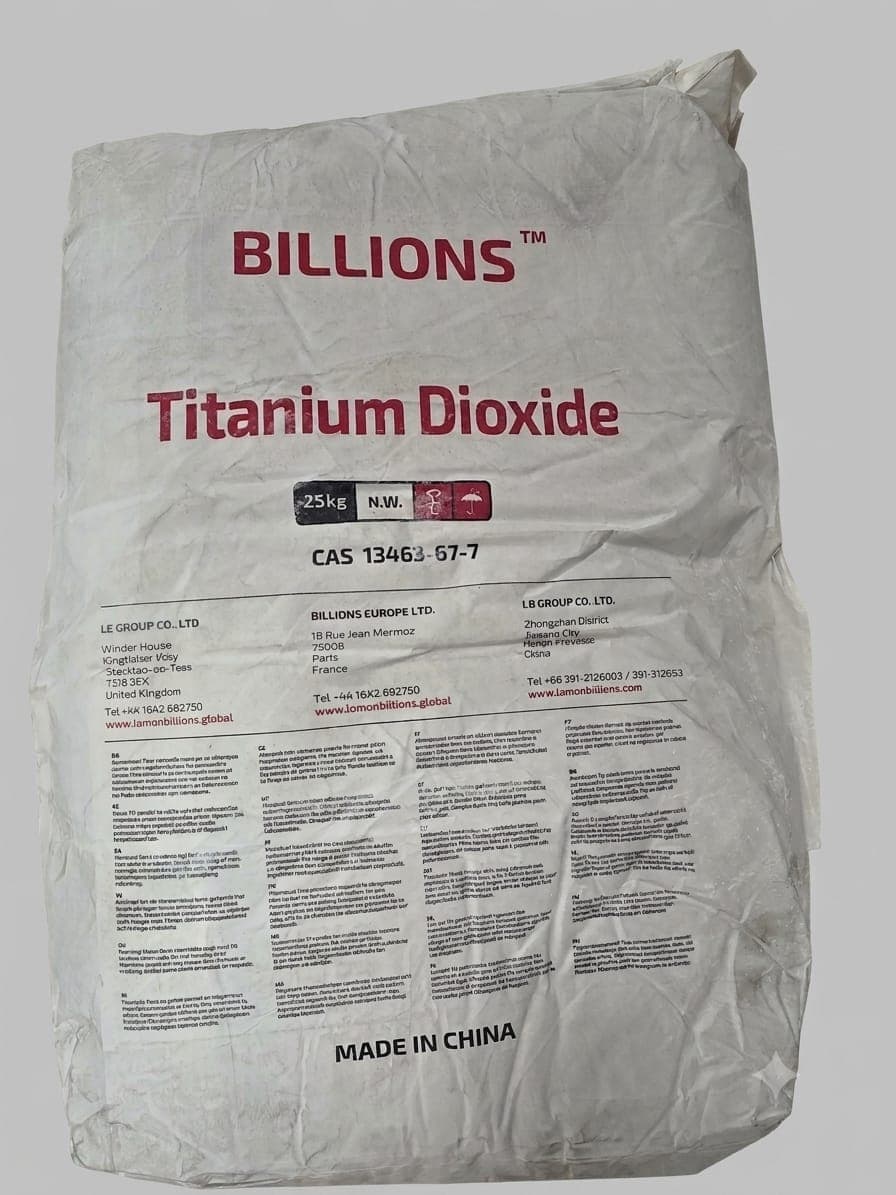
Titanium Dioxide
Titanium Dioxide by BILLIONS is a versatile pigment used in various applications. Packaged in 25kg bags, it is ideal for industries requiring high-performance white pigments.
WhatsApp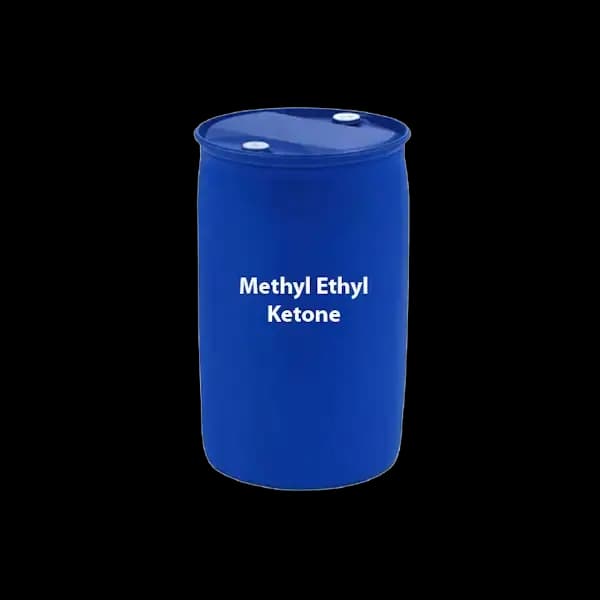
Methyl Ethyl Ketone
Methyl Ethyl Ketone (MEK) is a colorless liquid widely used as a solvent in various industrial applications, particularly in paints and coatings. It is valued for its ability to dissolve a wide range of substances.
WhatsApp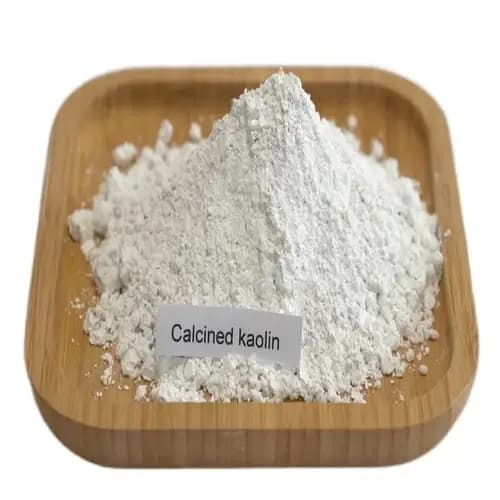
Calcined kaolin
Calcined kaolin is a white, fine powder primarily used in paints and coatings. It enhances the performance and durability of the final product.
WhatsApp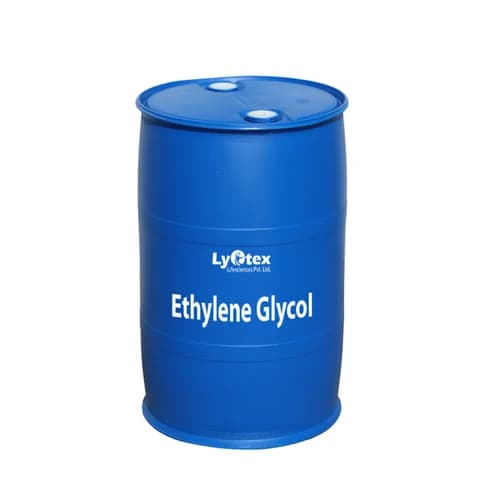
Ethylene Glycol
Ethylene Glycol by Lytex is a colorless, viscous liquid widely used in the formulation of paints and coatings. It enhances performance and durability in various applications.
WhatsApp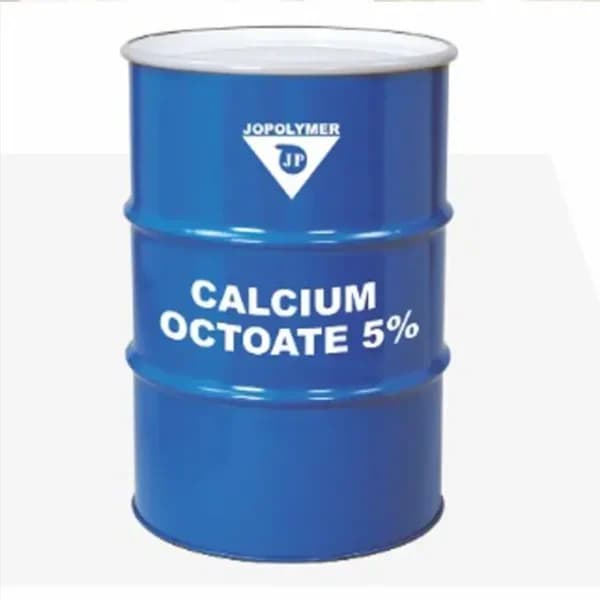
CALCIUM OCTOATE 5%
CALCIUM OCTOATE 5% from JOPOLYMER is a key ingredient used in the formulation of paints and coatings, enhancing drying properties and performance.
WhatsApp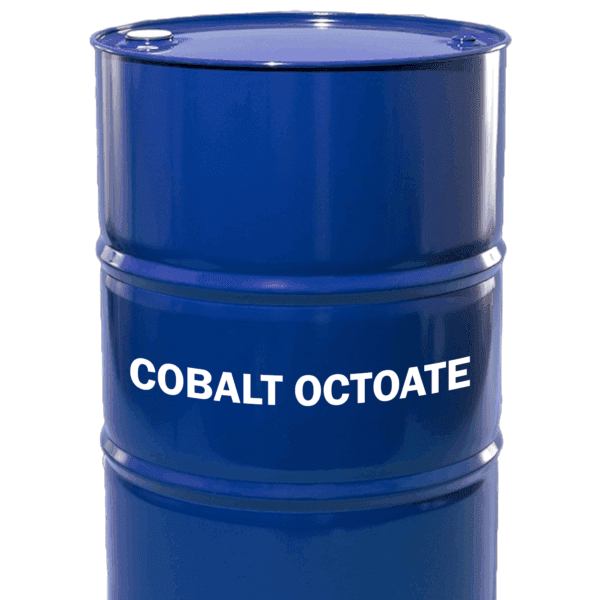
Cobalt Octoate
Cobalt Octoate is a versatile drying agent commonly used in paints and coatings. It enhances the drying process and improves the overall performance of the final product.
WhatsApp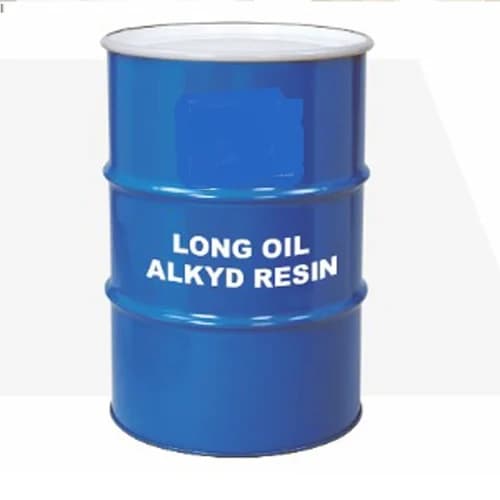
LONG OIL ALKYD RESIN
LONG OIL ALKYD RESIN is a versatile resin used primarily in paints and coatings. It provides excellent durability and adhesion, making it ideal for various industrial applications.
WhatsApp
Short Oil Alkyd Resin
Short Oil Alkyd Resin by JOPOLYMER is designed for high-performance coatings. Ideal for various industrial applications in East Africa.
WhatsApp