Acetone
Acetone is a colorless, highly volatile liquid commonly used as a solvent in various industrial applications. It is known for its effectiveness in dissolving many organic compounds.
Chemical Properties
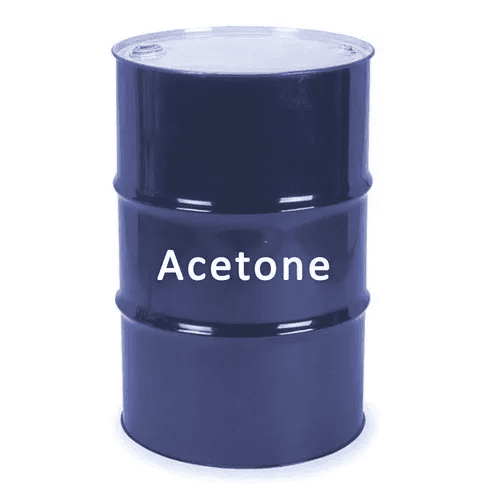
Acetone
Acetone is a colorless, highly volatile liquid commonly used as a solvent in various industrial applications. It is known for its effectiveness in dissolving many organic compounds.
Product Introduction
Acetone is a key industrial solvent widely utilized across various sectors, including manufacturing, pharmaceuticals, and cosmetics. Its strong solvent properties make it ideal for applications such as paint thinners, nail polish removers, and cleaning agents. In East Africa, industries sourcing acetone benefit from its versatility and efficiency in formulations, making it an essential chemical for both large-scale production and smaller craft applications. Kivi Chemicals supplies acetone to meet the growing demand in Kenya, Uganda, and Tanzania, ensuring that businesses have access to high-quality industrial chemicals.
Detailed Product Overview
Acetone, with the chemical formula C3H6O, is a colorless liquid that is highly miscible with water, ethanol, and ether. It has a molecular weight of 58.08 g/mol and is classified under UN1090 for transport. Known for its low boiling point and high volatility, acetone evaporates quickly, making it an effective solvent for a wide range of organic compounds. Its applications extend beyond simple cleaning tasks to complex processes in the pharmaceutical and cosmetic industries, where it serves as a solvent in the production of various formulations. The purity and grade of acetone can vary based on specific industrial requirements, making it crucial for buyers to source from reliable suppliers like Kivi Chemicals to ensure consistent quality and compliance with regional standards.
Applications & Uses
Solvent for Paints and Coatings
Acetone is extensively used in the paint and coatings industry as a solvent to dissolve various resins and facilitate even application. Its ability to evaporate quickly helps in achieving a smooth finish.
Cleaning Agent in Laboratories
In laboratory settings, acetone is utilized as a powerful cleaning agent for glassware and equipment. Its effectiveness in removing organic residues makes it indispensable for maintaining cleanliness.
Nail Polish Remover
Acetone is a primary ingredient in many nail polish removers due to its ability to dissolve nail lacquer effectively. It is widely used in salons and by consumers for at-home nail care.
Intermediate in Chemical Synthesis
Acetone serves as an important intermediate in the synthesis of various chemicals, including pharmaceuticals and agrochemicals, highlighting its significance in the chemical manufacturing sector.
Benefits & Advantages
Acetone offers numerous benefits that make it a preferred choice for industries across East Africa. Its excellent solvency power allows for effective formulation of paints, coatings, and cleaning products, ensuring high performance and quality. The rapid evaporation rate of acetone not only speeds up processes but also reduces the risk of contamination and improves safety in work environments. Additionally, sourcing acetone from Kivi Chemicals guarantees that buyers receive a product that meets the necessary regulatory standards, ensuring compliance and reliability in their operations. The versatility of acetone extends its applications into various sectors, making it an economically viable option for businesses looking to enhance their product offerings while maintaining cost-effectiveness.
Packaging & Bulk Supply
Acetone is typically available in bulk containers and smaller packaging options to suit different industrial needs. Kivi Chemicals offers acetone in secure drums and other formats to ensure safe transport and storage. Buyers can choose packaging sizes that best fit their operational requirements, whether for large-scale manufacturing or smaller projects.
Storage & Handling
Acetone should be stored in a cool, well-ventilated area away from sources of ignition. It is crucial to keep the container tightly closed when not in use to prevent evaporation and contamination. Ensure that the storage area is compliant with local regulations regarding flammable materials. When handling acetone, appropriate personal protective equipment (PPE), such as gloves and goggles, should be worn to minimize exposure. Proper training on handling and emergency procedures is essential for all personnel working with acetone.
External References & Further Reading
Technical Specifications
| Density | 0.784 g/cm³ |
| Appearance | Colorless liquid |
| Flash Point | -20 °C (closed cup) |
| Boiling Point | 56°C |
| Melting Point | -95°C |
| Solubility in Water | Miscible |
Safety & Handling Guidelines
GHS Category 2 – Flammable Liquid (H225); Signal word: Danger
Acetone is classified as a flammable liquid and should be handled with care. Required PPE includes gloves, safety goggles, and protective clothing to prevent skin and eye contact. In case of inhalation, move the affected person to fresh air and seek medical attention if symptoms persist. For skin contact, wash the affected area thoroughly with soap and water. Acetone should not be mixed with strong oxidizers or acids to avoid hazardous reactions.
Regulatory Compliance & Standards
Frequently Asked Questions
What is acetone used for?
Acetone is commonly used as a solvent in various industries, including paint, coatings, and pharmaceuticals.
Is acetone safe to use?
When handled properly with appropriate PPE, acetone is safe to use, but it is flammable and should be stored away from heat sources.
How should acetone be stored?
Acetone should be stored in a cool, well-ventilated area in tightly closed containers to prevent evaporation.
What are the hazards of acetone?
Acetone is flammable and can cause skin and eye irritation. Proper handling and storage are essential to minimize risks.
Can acetone be used in food applications?
No, acetone is not suitable for food applications as it is not food-grade and can be harmful if ingested.
What personal protective equipment is needed when handling acetone?
When handling acetone, wear gloves, safety goggles, and protective clothing to prevent exposure.
Related Formulations
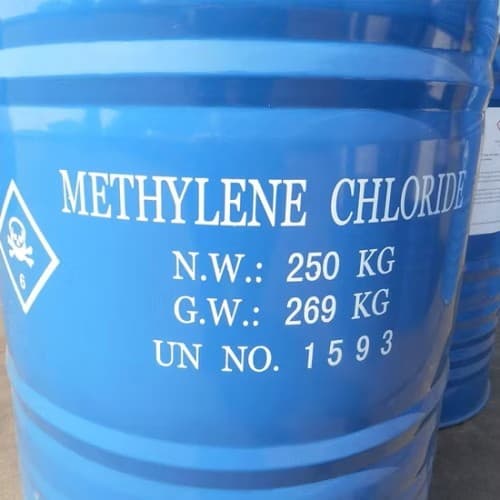
Methylene Chloride
Methylene Chloride is a versatile solvent used in various industrial applications. Supplied in 250 KG containers, it is essential for processes requiring effective solvent action.
WhatsApp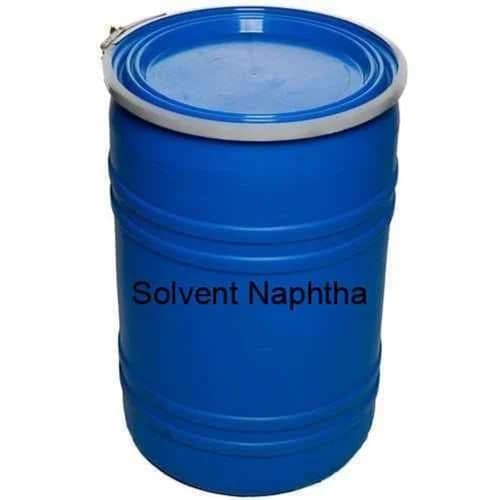
Solvent Naphtha
Solvent Naphtha is a versatile solvent widely used in various industrial applications, particularly in paint and coatings formulation. Its efficient solvency makes it a preferred choice for many manufacturers.
WhatsApp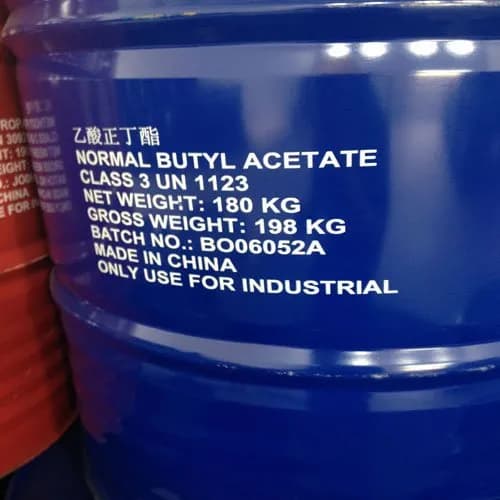
Normal Butyl Acetate
Normal Butyl Acetate is a colorless liquid used primarily in industrial applications. With a net weight of 180 kg, it is classified under Class 3 UN 1123, indicating its flammable nature.
WhatsApp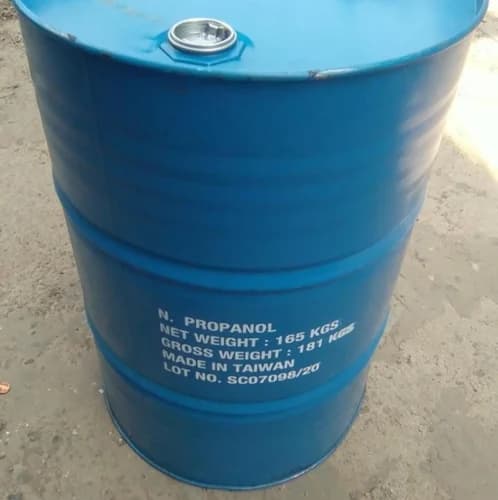
N. PROPANOL
N. Propanol is a versatile solvent used in various industrial applications. Packaged in 165 kg containers, it is suitable for multiple sectors including pharmaceuticals and coatings.
WhatsApp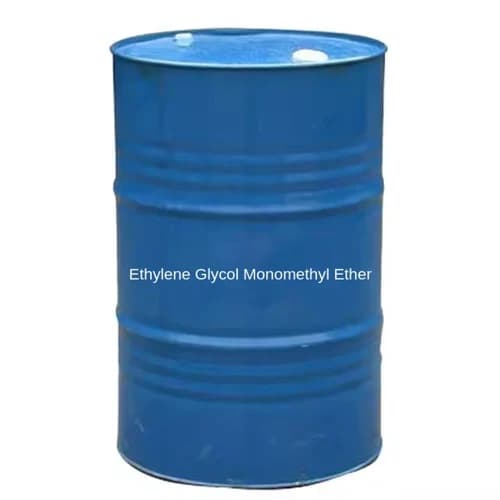
Ethylene Glycol Monomethyl Ether
Ethylene Glycol Monomethyl Ether is a versatile solvent used in various industrial applications. It is commonly supplied in drums for ease of handling.
WhatsApp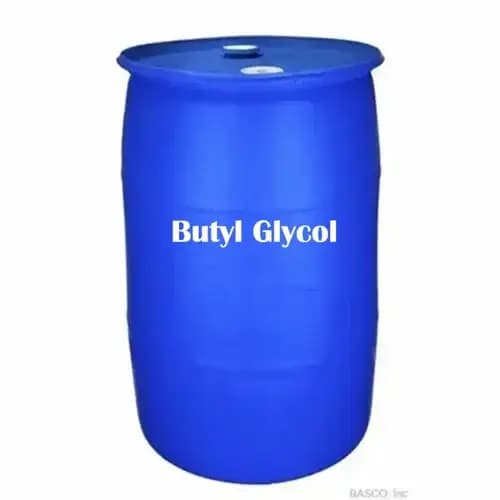
Butyl Glycol
Butyl Glycol is a versatile solvent used in various industrial applications. It serves as an important ingredient in coatings, cleaning products, and more.
WhatsApp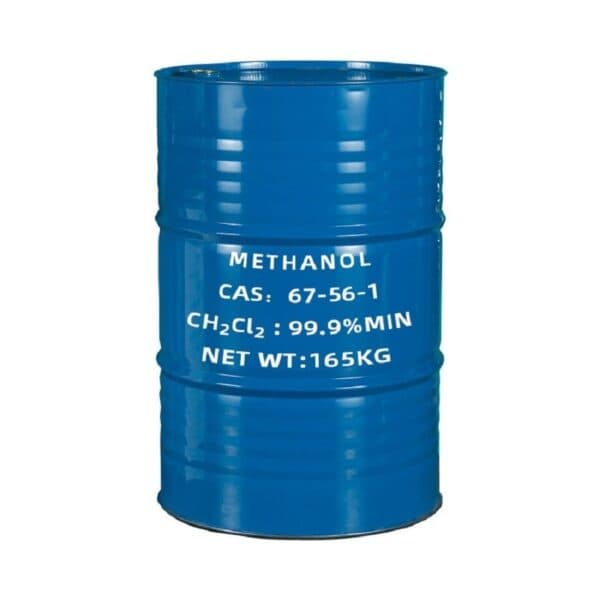
METHANOL
Methanol is a colorless liquid with a purity of 99.9% MIN, widely used in various industrial applications. Kivi Chemicals supplies Methanol in 165 kg containers, ideal for multiple sectors.
WhatsApp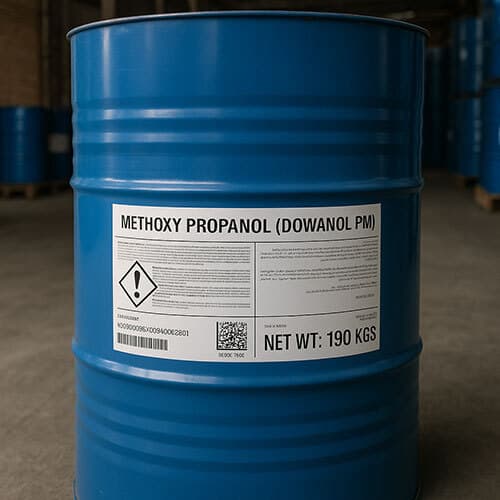
Methoxy Propanol (DOWANOL PM)
Methoxy Propanol (DOWANOL PM) is a versatile solvent used in various industrial applications. Packaged in 190 kg containers, it is suitable for buyers in East Africa looking for reliable chemical solutions.
WhatsApp