Acetone
Acetone is a colorless liquid commonly used as a solvent in various industrial applications, particularly in metal treatment processes. It is valued for its effectiveness in cleaning and degreasing surfaces.
Chemical Properties
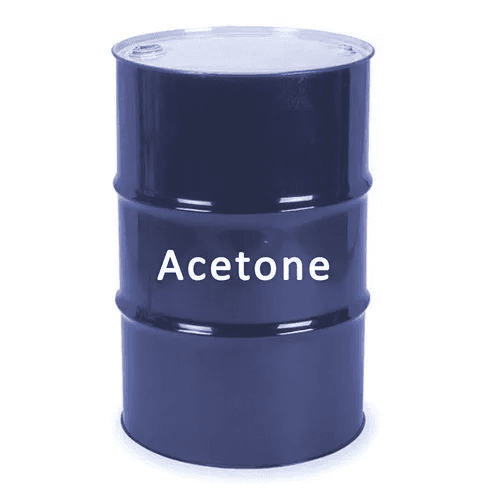
Acetone
Brand: Kivi Chemicals·Manufactured by: Kivi Chemicals
Acetone is a colorless liquid commonly used as a solvent in various industrial applications, particularly in metal treatment processes. It is valued for its effectiveness in cleaning and degreasing surfaces.
Product Introduction
Acetone, a highly versatile solvent, is widely utilized in the metal treatment industry due to its excellent ability to dissolve a wide range of substances. This industrial-grade chemical is crucial for processes such as cleaning and degreasing metal surfaces, ensuring optimal adhesion for coatings and finishes. Kivi Chemicals supplies acetone across Kenya, Uganda, Tanzania, and the greater East African region, meeting the needs of manufacturers and metalworking industries. Its rapid evaporation rate and strong solvent properties make it ideal for applications that require quick drying times and effective cleaning solutions.
Detailed Product Overview
Acetone, with the chemical formula C3H6O, is a simple ketone that serves as a powerful solvent in various industrial applications. It is characterized by its colorless liquid appearance and a slightly sweet odor. Acetone is miscible with water and can dissolve many organic compounds, making it an essential component in formulations for paint thinners, adhesives, and coatings. The industrial-grade acetone supplied by Kivi Chemicals has a purity of 99.5% minimum, ensuring high performance in metal treatment processes. Its low boiling point of 56.05 °C and fast evaporation rate allow for efficient cleaning and preparation of metal surfaces, making it a preferred choice for professionals in the field.
Applications & Uses
Metal Cleaning
Acetone is extensively used for cleaning metal surfaces, removing oils, greases, and residues that can interfere with subsequent treatments. Its fast evaporation rate ensures that surfaces are dry and ready for further processing.
Paint Thinner
In the paint and coatings industry, acetone acts as an effective thinner, helping to achieve the desired viscosity and enhancing the application process. It ensures smooth finishes and improves adhesion to metal surfaces.
Adhesive Solvent
Acetone is often used as a solvent for various adhesives, facilitating the bonding process by ensuring that surfaces are clean and free of contaminants. This is crucial in metal fabrication and assembly applications.
Laboratory Solvent
In laboratories, acetone serves as a solvent for chemical reactions and extractions, providing a reliable medium for various analytical procedures. Its purity and effectiveness make it a staple in research settings.
Benefits & Advantages
Kivi Chemicals' acetone offers numerous benefits for East African industries, particularly in metal treatment applications. Its high purity level ensures effective cleaning and preparation of surfaces, which is crucial for achieving optimal adhesion of coatings and finishes. The fast evaporation rate reduces downtime during processes, allowing for increased efficiency in production. Additionally, acetone's versatility as a solvent means it can be used in various applications beyond metal treatment, such as in paint thinners and adhesives, providing added value for businesses sourcing from Kivi Chemicals. By choosing acetone from Kivi Chemicals, buyers can rely on a consistent supply of a high-performance solvent tailored to meet the demands of their industrial processes.
Packaging & Bulk Supply
Kivi Chemicals offers acetone in various packaging options to suit different industrial needs. Available formats include 200-liter drums for bulk applications and 25 kg containers for smaller-scale usage. This flexibility ensures that businesses can procure the right quantity based on their operational requirements, optimizing storage and reducing waste.
Storage & Handling
Acetone should be stored in a cool, well-ventilated area away from heat sources and open flames, as it is highly flammable. Containers must be kept tightly closed to prevent evaporation and contamination. It’s advisable to use appropriate personal protective equipment (PPE) such as gloves and goggles when handling acetone to avoid skin and eye contact. In case of spills, proper containment and cleanup procedures should be followed to minimize environmental impact.
External References & Further Reading
Technical Specifications
| pH | Neutral |
| Odor | Sweet, pungent |
| Density | 0.784 g/cm³ |
| UN Number | UN1090 |
| Viscosity | 0.32 mPa·s |
| Appearance | Colorless liquid |
| CAS Number | 67-64-1 |
| Flash Point | -20 °C |
| Boiling Point | 56.05 °C |
| Melting Point | -94.7 °C |
| Vapor Density | 2.0 (Air=1) |
| Evaporation Rate | Fast |
| Molecular Weight | 58.08 g/mol |
| Refractive Index | 1.359 |
| Solubility in Water | Miscible |
| Autoignition Temperature | 465 °C |
Safety & Handling Guidelines
GHS Category 2 – Flammable (H225); Signal word: Danger
Acetone is classified as GHS Category 2 – Flammable (H225); Signal word: Danger. It poses hazards such as inhalation risks and skin irritation. Appropriate PPE, including gloves and goggles, should be worn during handling. In case of contact with eyes or skin, rinse thoroughly with water and seek medical attention if irritation persists. Acetone should be kept away from incompatible materials such as strong oxidizers and acids.
Regulatory Compliance & Standards
Frequently Asked Questions
What is acetone used for?
Acetone is commonly used as a solvent in metal cleaning, paint thinning, and as an adhesive solvent.
Is acetone flammable?
Yes, acetone is highly flammable and should be handled with care, away from heat sources.
How should acetone be stored?
Acetone should be stored in a cool, well-ventilated area, away from heat and open flames.
Can acetone dissolve plastics?
Acetone can dissolve some plastics, so it's important to test compatibility before use.
What personal protective equipment is needed when handling acetone?
It's advisable to wear gloves and goggles to protect against skin and eye contact.
What should I do in case of an acetone spill?
Contain the spill and follow proper cleanup procedures, ensuring to ventilate the area.
Is acetone safe for laboratory use?
Yes, acetone is commonly used in laboratories as a solvent for various chemical applications.
What are the environmental impacts of acetone?
Acetone should be managed carefully to prevent environmental contamination, particularly in water sources.
See Also
Related Formulations
N HEXANE
N HEXANE is a colorless liquid commonly used in various industrial applications, particularly in metal treatment processes. Sourced from Kivi Chemicals, it offers consistent quality for manufacturing needs.
WhatsApp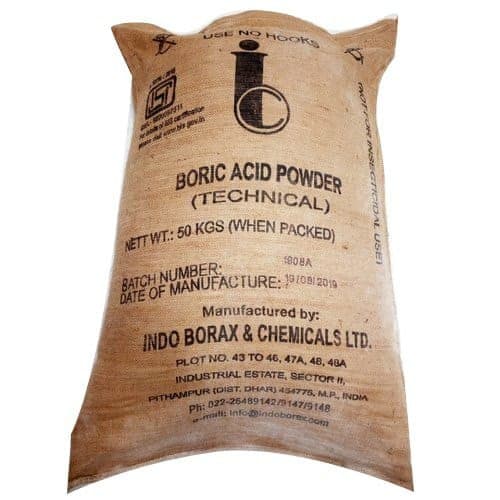
Boric Acid Powder
Boric Acid Powder is a technical-grade chemical supplied in 50 kg packs, ideal for various industrial applications, including metal treatment.
WhatsApp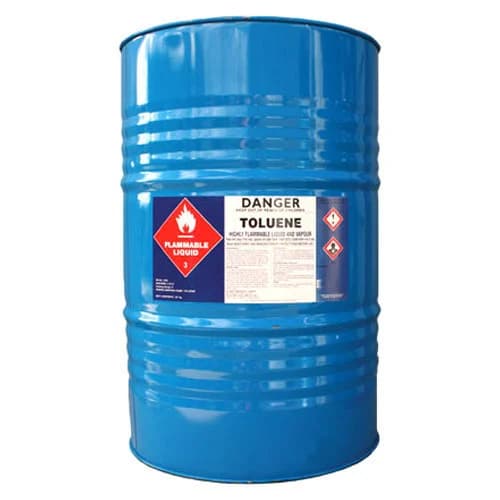
Toluene
Toluene is a highly flammable liquid widely used in industrial applications, particularly in metal treatment processes. Its solvent properties make it essential for various formulations.
WhatsApp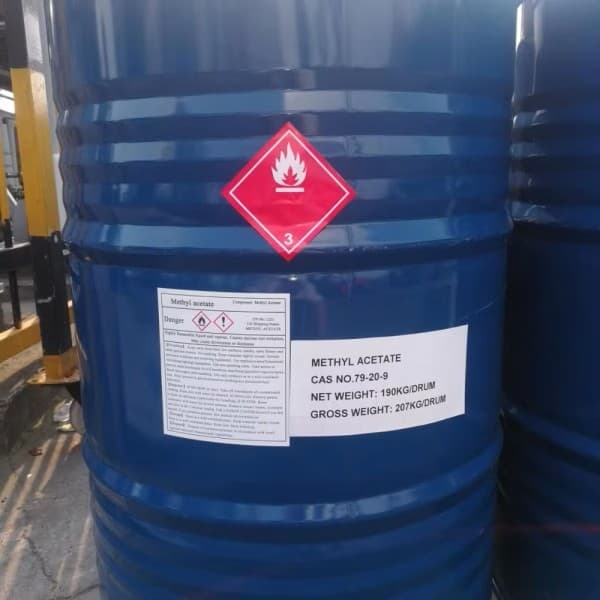
Methyl Acetate
Methyl Acetate is a versatile solvent used in metal treatment processes. Available in 190 kg drums, it is essential for various industrial applications across East Africa.
WhatsApp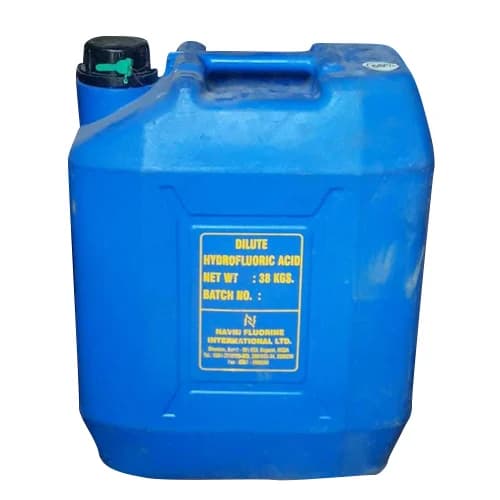
Dilute Hydrofluoric Acid
Dilute Hydrofluoric Acid is a colorless liquid used primarily in metal treatment applications. It is essential for etching and cleaning processes in various industrial sectors.
WhatsApp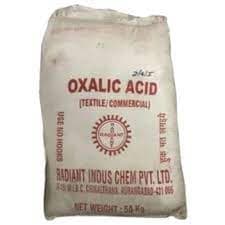
Oxalic Acid
Oxalic Acid is a versatile chemical used in various industrial applications, particularly in textile processing and metal treatment. Supplied in 50 Kg bags by Kivi Chemicals.
WhatsApp