Essential Guide to Cold Chain and Humidity Control in Coastal Kenya
This article explores the critical aspects of cold chain and humidity control for the safe storage of hygroscopic chemicals in coastal Kenya.
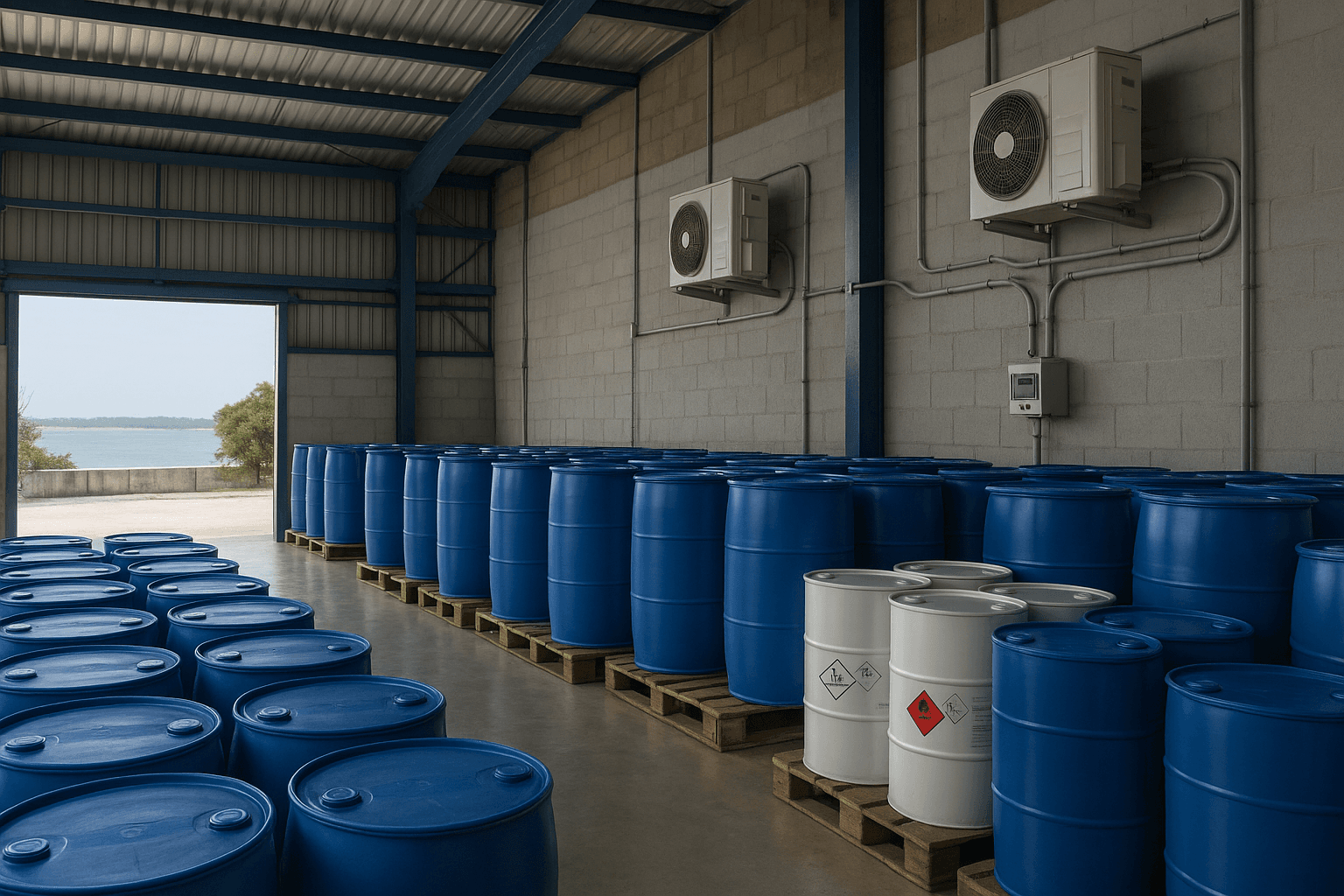
Understanding Hygroscopic Chemicals
Hygroscopic chemicals are substances that readily absorb moisture from the environment. This property can lead to significant challenges in their storage and handling, particularly in coastal regions like Kenya, where humidity levels can be consistently high. Understanding the unique requirements for storing hygroscopic chemicals is crucial for maintaining their stability and efficacy.
When storing hygroscopic materials, the primary consideration is to minimize their exposure to moisture. Here are key storage requirements:
- Sealed Containers: Always store hygroscopic chemicals in airtight containers. This helps prevent moisture ingress and maintains the integrity of the chemical.
- Climate-Controlled Environments: Utilize climate-controlled storage facilities equipped with dehumidifiers. Maintaining a low humidity environment is essential to prevent the chemicals from absorbing moisture.
- Temperature Regulation: In addition to controlling humidity, it is important to keep the storage area at stable temperatures. Fluctuations in temperature can exacerbate moisture absorption.
- Regular Monitoring: Employ humidity and temperature monitoring systems to ensure that storage conditions remain within the desired parameters. This includes using hygrometers and temperature loggers.
- Proper Labeling: Clearly label containers with handling and storage instructions specific to hygroscopic properties. This helps ensure that personnel are aware of the unique risks and requirements associated with these chemicals.
By adhering to these guidelines, procurement and plant engineers can effectively manage the challenges posed by hygroscopic chemicals, ensuring their quality and performance are preserved throughout the supply chain.
The Importance of Humidity Control in Mombasa
Coastal humidity levels in Mombasa can significantly impact the stability and safety of various chemicals used in industrial applications. High humidity, often exceeding 80%, can lead to several challenges that procurement and plant engineers must address to maintain product integrity.
Firstly, elevated humidity can accelerate the degradation of hygroscopic materials, which absorb moisture from the air. This can result in clumping, caking, or even chemical reactions that compromise product quality. For example, salts and certain polymers are particularly susceptible to moisture absorption, leading to reduced efficacy or altered performance characteristics.
Secondly, many chemicals are sensitive to moisture and may undergo hydrolysis or other reactions that can release hazardous byproducts. This not only affects the usability of the chemicals but also poses safety risks to personnel handling these materials. Engineers must implement stringent humidity control measures to mitigate these risks.
Storage conditions are crucial; chemicals should be kept in airtight containers or desiccators to limit exposure to humid air. Additionally, the use of humidity control systems, such as dehumidifiers or climate-controlled storage units, can help maintain optimal conditions for chemical preservation.
It is also essential to monitor humidity levels continuously. Regular assessments can help identify potential problems before they escalate, ensuring that the chemicals remain within their safe handling and storage parameters.
- Utilize humidity-resistant packaging for sensitive chemicals.
- Implement regular training for staff on the impacts of humidity on chemical safety.
- Establish a routine for checking and calibrating humidity control equipment.
- Consult the Safety Data Sheet for specific storage requirements and stability data.
Safety Protocols for Storing Hygroscopic Chemicals
When handling hygroscopic chemicals, adherence to safety protocols is critical to prevent accidents and ensure the integrity of the materials. The following essential measures should be implemented:
- Personal Protective Equipment (PPE): Ensure that all personnel handling hygroscopic substances wear appropriate PPE, including gloves, goggles, and respirators, as necessary. This minimizes exposure risks and protects against chemical spills.
- Environment Control: Maintain a controlled environment with low humidity levels in storage areas. Use dehumidifiers and temperature control systems to mitigate moisture absorption, which can affect chemical stability.
- Proper Storage Containers: Store hygroscopic chemicals in airtight containers to prevent moisture ingress. Ensure that containers are labeled clearly with hazard information and handling instructions.
- Regular Inspections: Conduct routine inspections of storage facilities and containers for signs of moisture damage or chemical degradation. Implement a schedule for checking the integrity of seals and closures on containers.
- Emergency Spill Procedures: Develop and communicate clear procedures for dealing with spills or leaks. Ensure that spill kits are available and easily accessible in the storage area.
- Training and Awareness: Provide regular training for all staff on the specific hazards associated with hygroscopic chemicals, including safe handling practices and emergency response actions.
- Inventory Management: Implement a first-in, first-out (FIFO) inventory system to minimize the risk of chemical degradation over time. Regularly review stock levels to ensure timely usage.
For detailed handling procedures and specific safety measures relevant to individual chemicals, always consult the supplier's Safety Data Sheet (SDS).
Regional Standards for Chemical Storage
In Kenya, the storage of chemicals is governed by several regulatory frameworks established by the Kenya Bureau of Standards (KEBS), the Tanzania Bureau of Standards (TBS), and the United Nations (UN). Understanding these guidelines is crucial for compliance and ensuring the safety of chemical handling and storage.
- Kenya Bureau of Standards (KEBS): KEBS provides standards that dictate the safe storage of hazardous chemicals. These include guidelines on the classification of chemicals, labeling, and storage conditions to minimize risks associated with chemical exposure. It is imperative for facilities to adhere to the relevant standards outlined in the KEBS regulations to ensure compliance and safety.
- Tanzania Bureau of Standards (TBS): For companies operating in cross-border trade, TBS standards also play a significant role. These standards may align with or differ from KEBS guidelines, particularly regarding chemical classification and safety measures. It is advisable to review TBS regulations if you are engaged in the import/export of chemicals to ensure compliance with both Kenyan and Tanzanian requirements.
- United Nations Guidelines: The UN has established a set of globally recognized guidelines for the transport and storage of hazardous materials, including the Globally Harmonized System (GHS) of Classification and Labelling of Chemicals. Adhering to these guidelines not only assures compliance with international standards but also enhances safety protocols in your operations.
- Practical Considerations: It is essential to consult the Safety Data Sheets (SDS) for specific chemicals, as they provide detailed information on storage requirements, including temperature control, humidity levels, and compatibility with other substances. Regular training and audits should be conducted to ensure all staff are aware of these standards.
Industrial Applications of Hygroscopic Chemicals
Hygroscopic chemicals are critical in various industries across East Africa, where humidity control is essential for product integrity and operational efficiency. Here are some key industries that rely on these substances:
- Pharmaceuticals: These facilities require strict humidity control to ensure the stability of active ingredients and to prevent degradation of sensitive compounds. Proper storage conditions are vital to maintain product efficacy.
- Food and Beverage: The food industry utilizes hygroscopic chemicals for moisture control in products such as baked goods, snacks, and dairy. These chemicals help prevent spoilage and extend shelf life, necessitating specialized storage environments.
- Chemicals and Petrochemicals: Various processes in this sector depend on hygroscopic agents to manage moisture levels during production and storage. It is crucial to store these chemicals in low-humidity environments to avoid unwanted reactions.
- Textiles: In textile manufacturing, hygroscopic chemicals are used to maintain moisture levels during production and storage, ensuring quality in fabrics and fibers. Proper climate-controlled storage is necessary to prevent fabric degradation.
- Construction Materials: Materials such as cement and gypsum are hygroscopic and can absorb moisture from the air, leading to clumping and spoilage. Proper storage solutions are essential to maintain their integrity.
- Agriculture: Fertilizers often contain hygroscopic compounds that require careful handling and storage to prevent caking and ensure effective application. Controlled environments help maintain product quality.
Each of these industries has unique storage needs for hygroscopic chemicals, emphasizing the importance of tailored humidity control solutions to avoid product loss and ensure compliance with industry standards.
Implementing Effective Cold Chain Solutions
Implementing effective cold chain solutions requires a multi-faceted approach that incorporates appropriate technologies and strategic planning to ensure both temperature and humidity are maintained within critical thresholds. Here are key strategies for achieving this:
- Temperature Mapping: Conduct thorough temperature mapping of your warehouse to identify hotspots and cold spots. This will inform the placement of refrigeration units and help optimize airflow.
- Refrigeration Systems: Invest in energy-efficient refrigeration systems that are specifically designed for chemical storage. Consider using multi-zone refrigeration to maintain different temperature ranges for various products.
- Humidity Control: Utilize dehumidifiers and humidistats in conjunction with your refrigeration systems. Monitoring humidity levels is crucial, particularly in coastal areas where moisture can compromise chemical integrity.
- Real-Time Monitoring: Implement IoT-based monitoring systems that provide real-time data on temperature and humidity levels. This allows for immediate corrective actions if conditions deviate from the desired parameters.
- Backup Power Solutions: Ensure that your cold chain operations are supported by reliable backup power solutions, such as generators or uninterruptible power supplies (UPS), to prevent temperature fluctuations during power outages.
- Regular Maintenance: Schedule regular maintenance for refrigeration and humidity control systems to ensure optimal performance. This includes checking seals, refrigerant levels, and conducting routine cleanings.
- Employee Training: Train staff on best practices for handling temperature-sensitive chemicals. They should be aware of the importance of minimizing door openings and maintaining proper storage protocols.